The Architect of Moral Agency and the Path of Asha
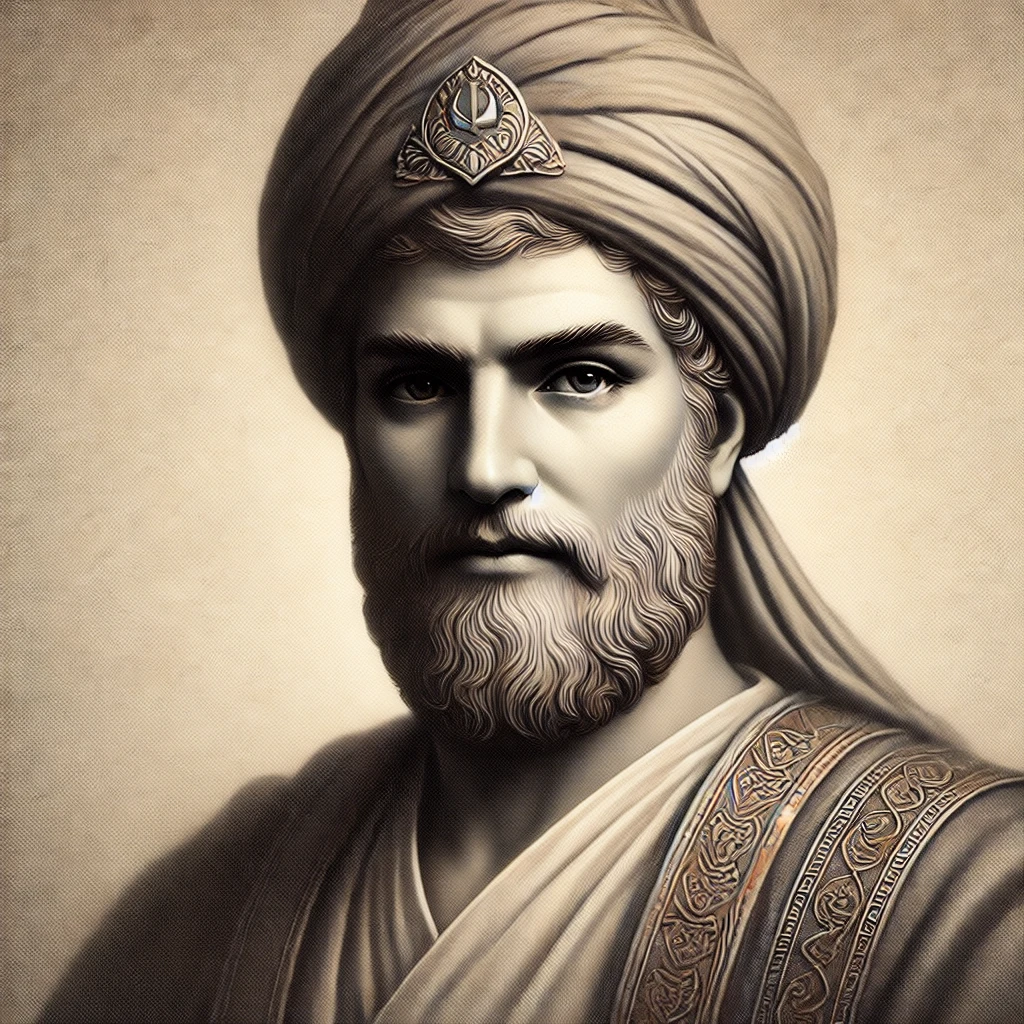
The history of human freedom does not begin with modern revolutions, but in the high plains of ancient Iran with a figure named Zarathustra (c. 1500–1000 BCE).[1] Before the emergence of the great Greek philosophers or the legal codes of the West, Zarathustra introduced a revolutionary paradigm shift that altered the trajectory of human civilization. He was the first to suggest that human beings are not merely pawns of the gods or victims of an inescapable fate, but are instead autonomous architects of their own moral destiny.[2]
The Bronze Age Crisis and the Reform of Truth
Zarathustra lived during a period of profound social and technological upheaval. The nomadic, tribal societies of the ancient Iranian steppes were often defined by “Human-Degrading Conflict” – raids, lawlessness, and a religious system that prioritized blood sacrifices and the appeasement of fickle, often violent, deities. In this environment, the recognition of individual human dignity was virtually non-existent; value was found in tribal dominance and survival through strength.
Zarathustra’s reform was both theological and social. He challenged the status quo by identifying a single, supreme source of wisdom and order: Ahura Mazda (The Wise Lord). More importantly, he proposed that the universe was defined by a cosmic struggle between Asha (Truth, Order, and Righteousness) and Druj (The Lie, Chaos, and Deceit).[3] In Zarathustra’s vision, this was not a battle fought solely in the heavens, but one that takes place within the heart and mind of every living person.
Independent Agency: The Power of Choice
The cornerstone of Zarathustra’s legacy – and the “path paved before us” – is the concept of Independent Agency and human freedom. He was perhaps the first thinker to articulate that humans possess a rational capacity to distinguish between right and wrong. This was a radical departure from the prevailing worldviews of his time. By granting individuals the power to choose between Asha and Druj, Zarathustra established that human dignity is inherent. It is not something granted by a king or a priest; it is a quality rooted in our ability to exercise moral responsibility.
This choice is summarized in his famous triad: Humata, Hukhta, Huvarshta—Good Thoughts, Good Words, and Good Deeds. This triad serves as a practical framework for preserving the “fabric of humanity.” When an individual chooses a “Good Thought,” they affirm the value of truth. When that thought becomes a “Good Word,” they build trust and legitimacy. When that word becomes a “Good Deed,” they actively repair the social erosion caused by conflict and ego.
From Individual Choice to Global Freedom
Zarathustra’s teachings suggest that when we lose respect for human dignity, we are essentially choosing “The Lie.” As we have explored at the Freedom and Responsibility Institute, this loss of respect leads to the marginalization of others and the eventual reduction of our collective potential. Zarathustra warned that a society that abandons the Path of Asha inevitably descends into the “Cycle of Conflict.”
However, he also provided the solution. By recognizing that every person is a “thread to the fabric of humanity,” we understand that our freedom is tied to our responsibility. True freedom is not the license to do as one pleases, but the liberation found in choosing the Path of Asha. Zarathustra’s life and legacy remind us that we are not spectators in history; we are the drivers of it. Through the responsible use of our independent agency, we can interrupt the cycles of degradation and pave a path toward a future defined by dignity and peace.
His legacy is the foundational belief that human dignity is rooted in our capacity to choose responsibility over chaos. His concepts are weaved throughout our book, Conflict: Recognizing Human Dignity as a Solution to Humanity’s Greatest Challenges.
This article is part of our Historical Figures series on the History of Human Dignity.
Sources
-
- Britannica. “Zarathushtra: Biography, Religion, & Facts.” britannica.com. ↩
- Stanford Encyclopedia of Philosophy. “Ancient Ethical Dualism and Moral Choice.” plato.stanford.edu. ↩
-
- World History Encyclopedia. “Asha: The Cosmic Order of Truth.” worldhistory.org. ↩
Contribute to the Dialogue