Tag: Rational Capacity
-

Abraham Lincoln
Abraham Lincoln (1809–1865) remains a cornerstone figure in the history of human dignity for his role in navigating the American democratic experiment through its greatest existential crisis. As analyzed in our book, Conflict: Recognizing Human Dignity as a Solution to Humanity’s Greatest Challenges, his leadership was a profound exercise in moral philosophy under extreme pressure.[1]…
-

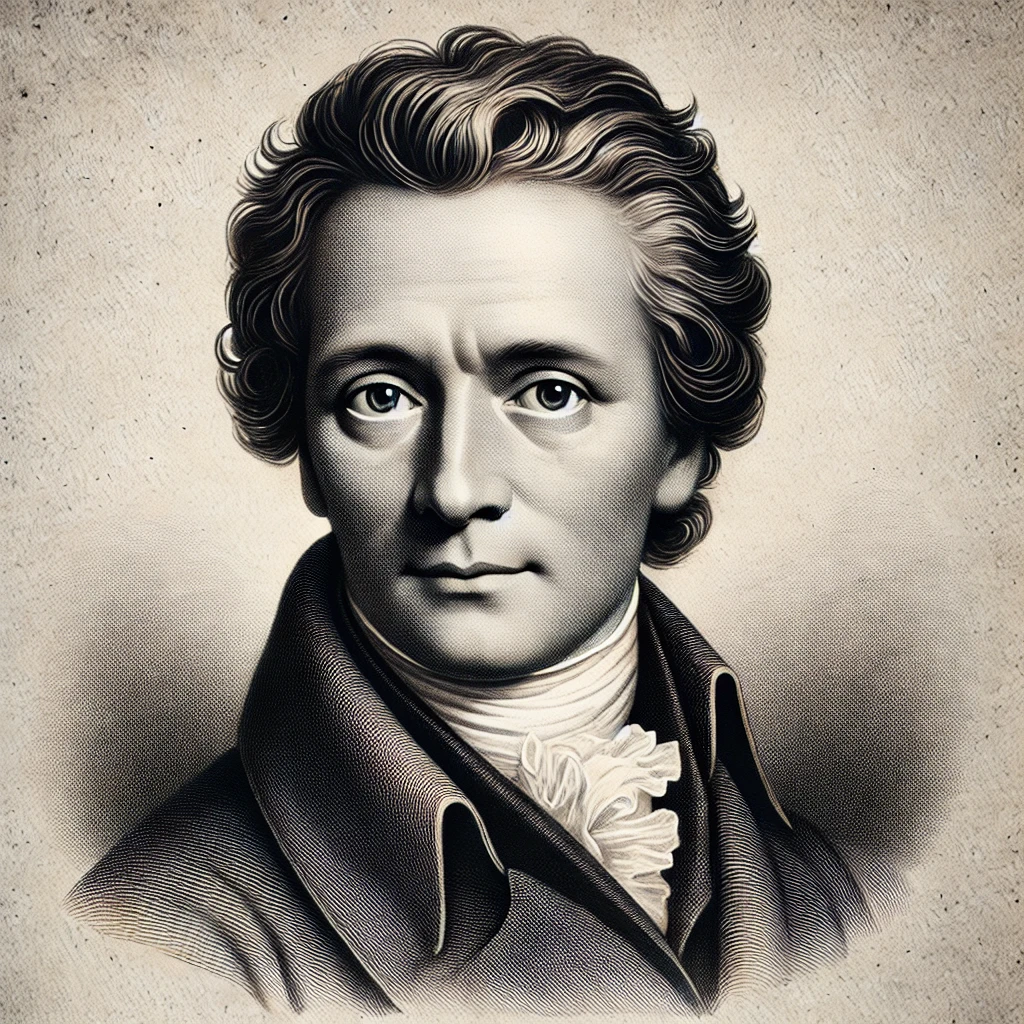
Johann Wolfgang von Goethe
In our book, Conflict: Recognizing Human Dignity as a Solution to Humanity’s Greatest Challenges, we explore how Ideological Developments allow us to move beyond the narrow confines of tribalism. Johann Wolfgang von Goethe (1749–1832) stands as a monumental figure in this journey, using his “rational capacity” and “intellect” to bridge the gap between science, art,…
-
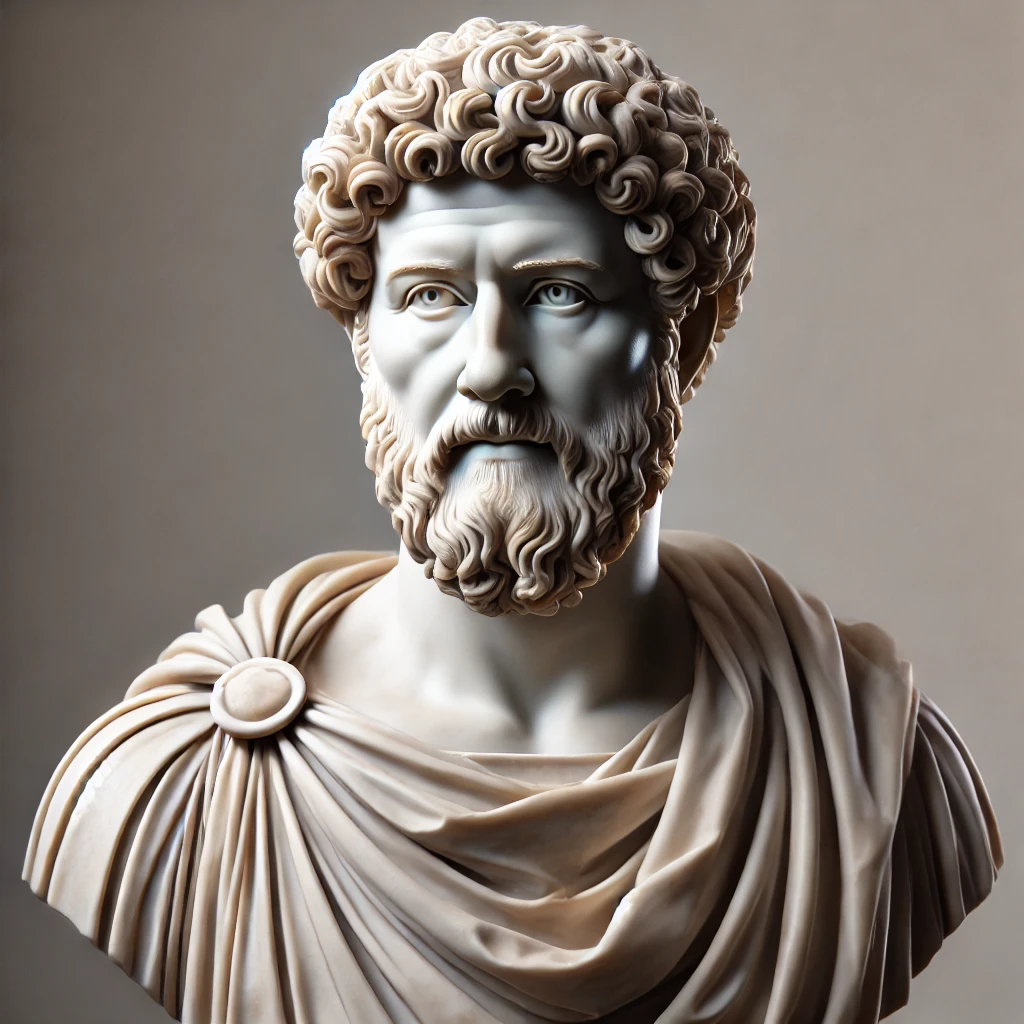
Marcus Aurelius
In our book, Conflict: Recognizing Human Dignity as a Solution to Humanity’s Greatest Challenges, we analyze Marcus Aurelius (121 to 180 CE) as a unique figure who balanced the highest levels of Political Power Dynamics with a profound commitment to internal Ideological Development.[1] As both a Roman Emperor and a Stoic philosopher, he personified the…
-

Aristotle
In our exploration of the Axial Age, we arrive at Aristotle (384 to 322 BCE), a student of Plato – who in turn was a student of Socrates – and one of the most influential figures in the history of Western thought.[1] In our book, Conflict: Recognizing Human Dignity as a Solution to Humanity’s Greatest…
-
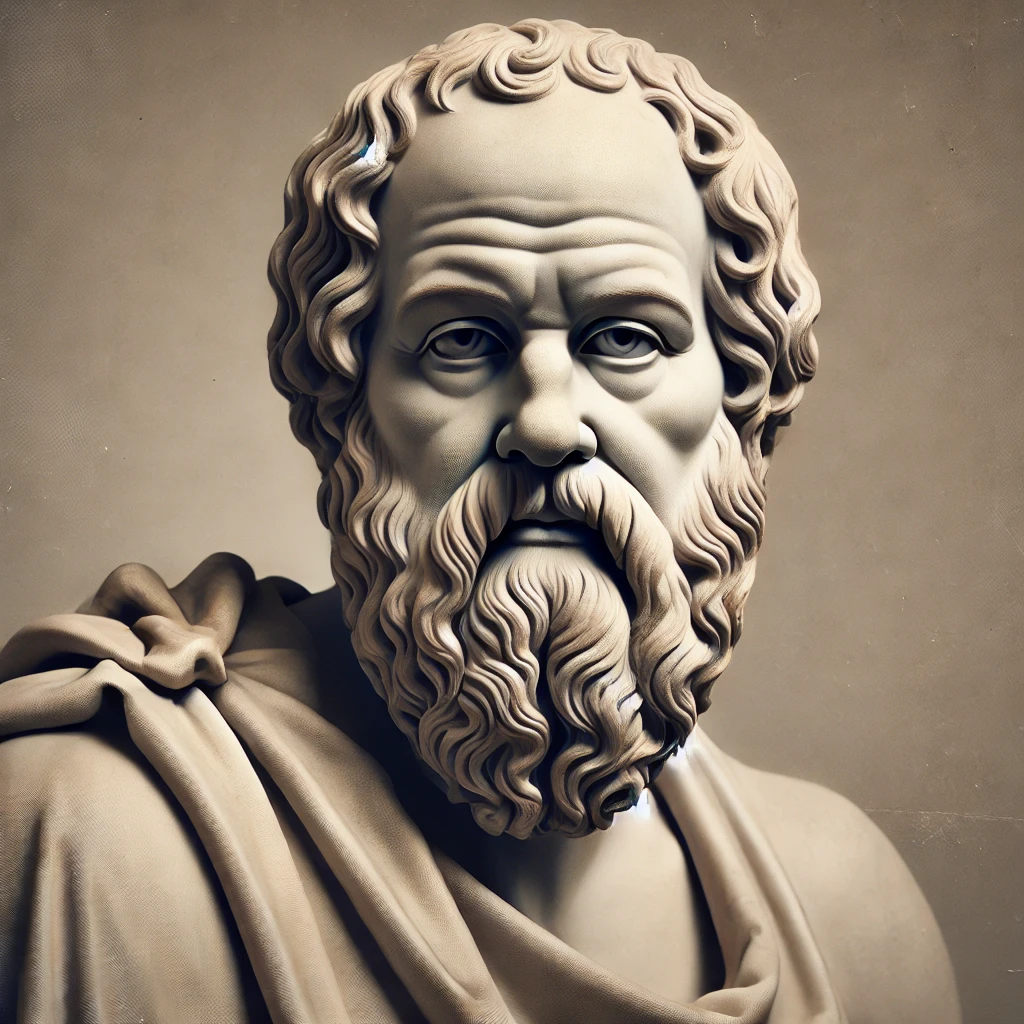
Socrates
In our book, Conflict: Recognizing Human Dignity as a Solution to Humanity’s Greatest Challenges, we analyze Socrates (469 to 399 BCE) as a pivotal figure of the Axial Age, a period where influential thinkers emerged contemporaneously across different civilizations to challenge existing norms.[1] Socrates personifies the Ideological Development of using “rational capacity” as a primary…
-
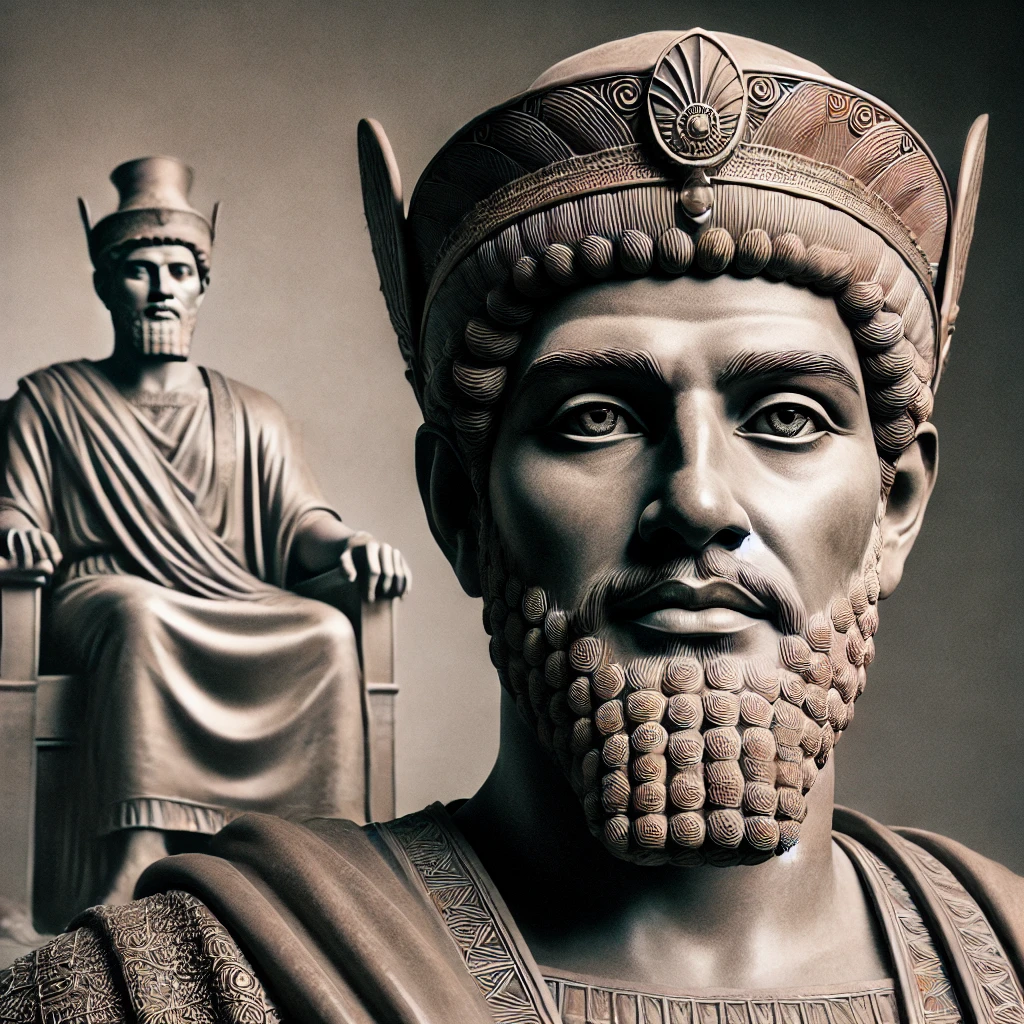
Hammurabi
1894 to 1595 BCE – Old Babylonian Period & the “Code of Hammurabi”: King Hammurabi’s “Code of Hammurabi” promoted a significant ideological development which encouraged cooperation throughout the Babylonian Mesopotamia’s empire. The Code of Hammurabi led to the first legal system, which had 282 laws people to follow.[1] Law 196, An Eye for an eye,…