Tag: Independent Agency
-

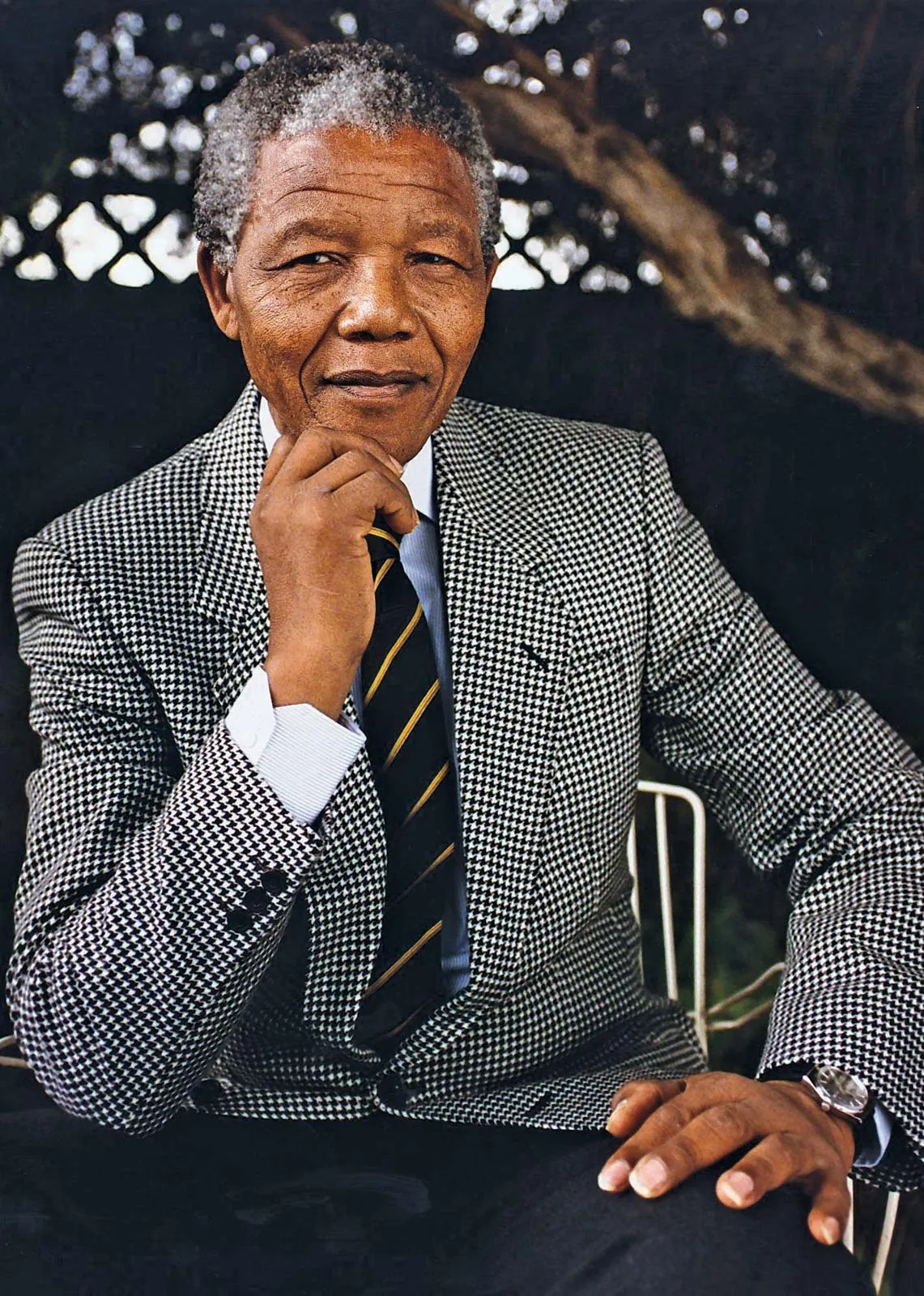
Nelson Mandela
Nelson Mandela (1918–2013) stands as a monumental figure in the transition from a society governed by the Law of Force to one striving for a culture of dignity. His life, famously documented in his autobiography, Long Walk to Freedom, serves as a masterclass in how independent agency and rational capacity can dismantle even the most…
-

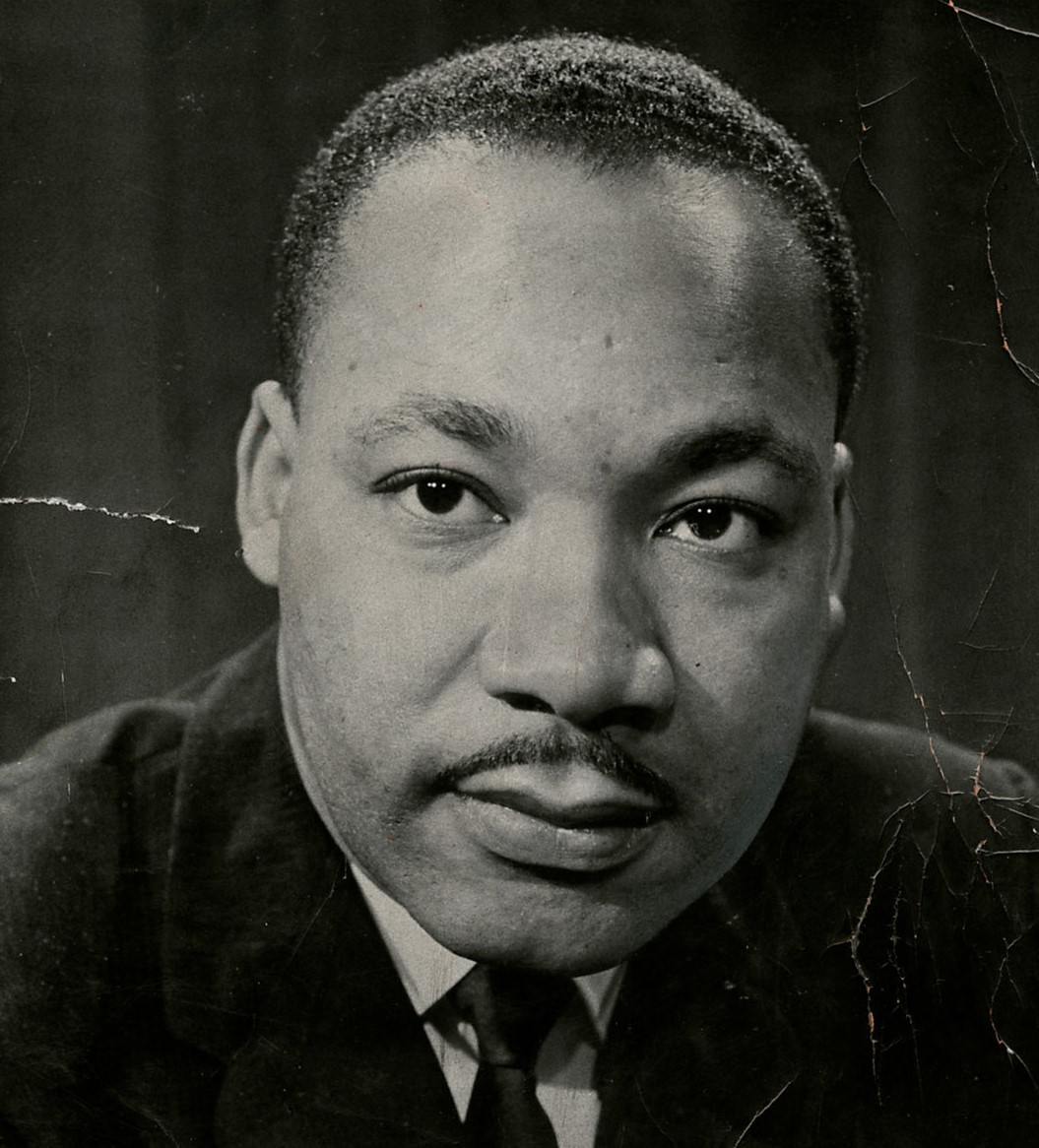
Martin Luther King, Jr.
Martin Luther King, Jr. (1929–1968) stands as one of the most powerful examples of how independent agency and moral courage can dismantle systemic injustice. In our book, Conflict: Recognizing Human Dignity as a Solution to Humanity’s Greatest Challenges, we explore his leadership as a radical ideological development: the belief that nonviolent resistance is the most…
-

Viktor Frankl
In our book, Conflict: Recognizing Human Dignity as a Solution to Humanity’s Greatest Challenges, we explore the ultimate resilience of the human spirit. Viktor Frankl (1905–1997), a psychiatrist and Holocaust survivor, provides perhaps the most profound evidence for our argument that human dignity is an innate characteristic that no external system can truly strip away.[1]…
-

Eleanor Roosevelt
While Eleanor Roosevelt is most frequently celebrated as the First Lady of the World, she is arguably the primary architect of the United Nations’ moral and ethical identity. In our book, Conflict: Recognizing Human Dignity as a Solution to Humanity’s Greatest Challenges, we explore how she moved the UN beyond being a mere political alliance…
-

Abraham Lincoln
Abraham Lincoln (1809–1865) remains a cornerstone figure in the history of human dignity for his role in navigating the American democratic experiment through its greatest existential crisis. As analyzed in our book, Conflict: Recognizing Human Dignity as a Solution to Humanity’s Greatest Challenges, his leadership was a profound exercise in moral philosophy under extreme pressure.[1]…
-
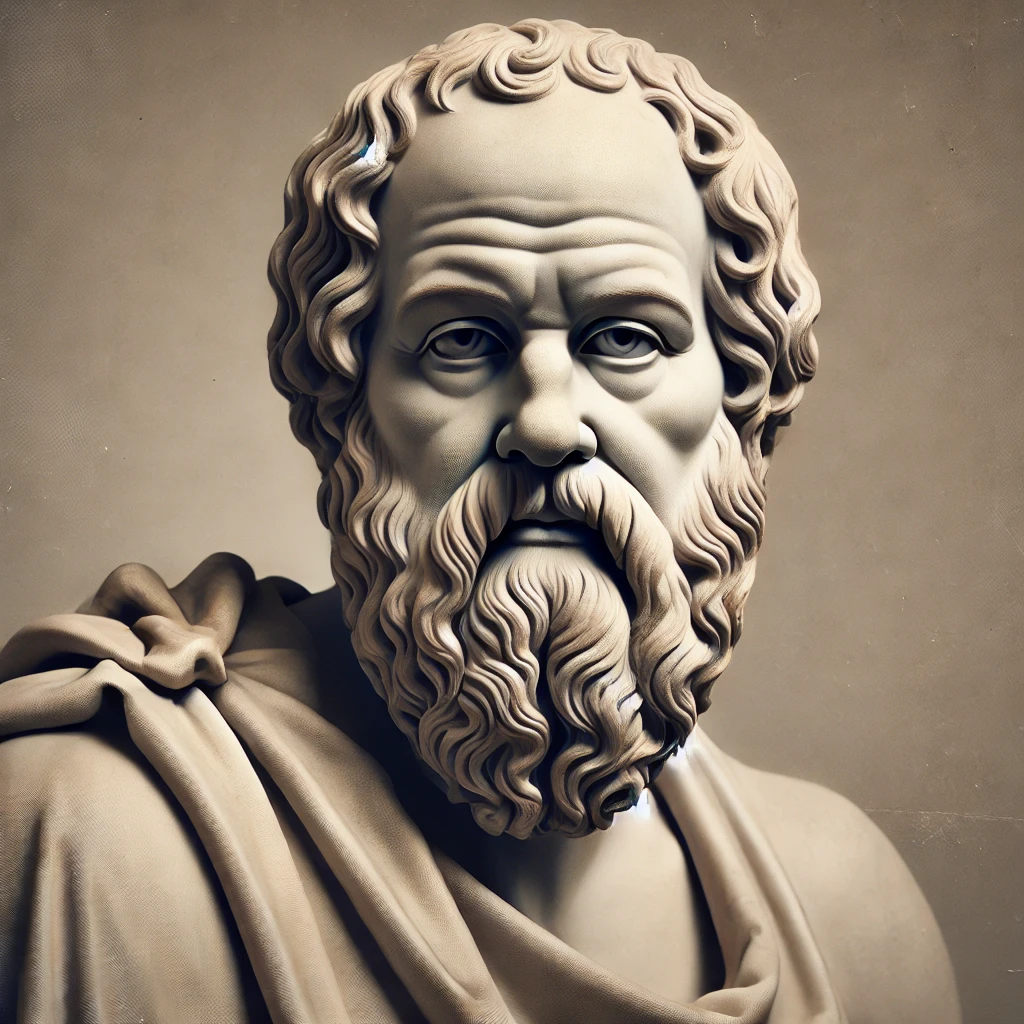
Socrates
In our book, Conflict: Recognizing Human Dignity as a Solution to Humanity’s Greatest Challenges, we analyze Socrates (469 to 399 BCE) as a pivotal figure of the Axial Age, a period where influential thinkers emerged contemporaneously across different civilizations to challenge existing norms.[1] Socrates personifies the Ideological Development of using “rational capacity” as a primary…
-
Confucius
Confucius: The Ethics of Order and the Fabric of Dignity During the Axial Age, as Chinese states were fractured by the chaos of the Warring States period, a scholar named Kong Fuzi—known to the West as Confucius (551–479 BCE)—proposed a radical solution to the “Cycle of Conflict.”[1] While the prevailing Political Power Dynamics of the…
-
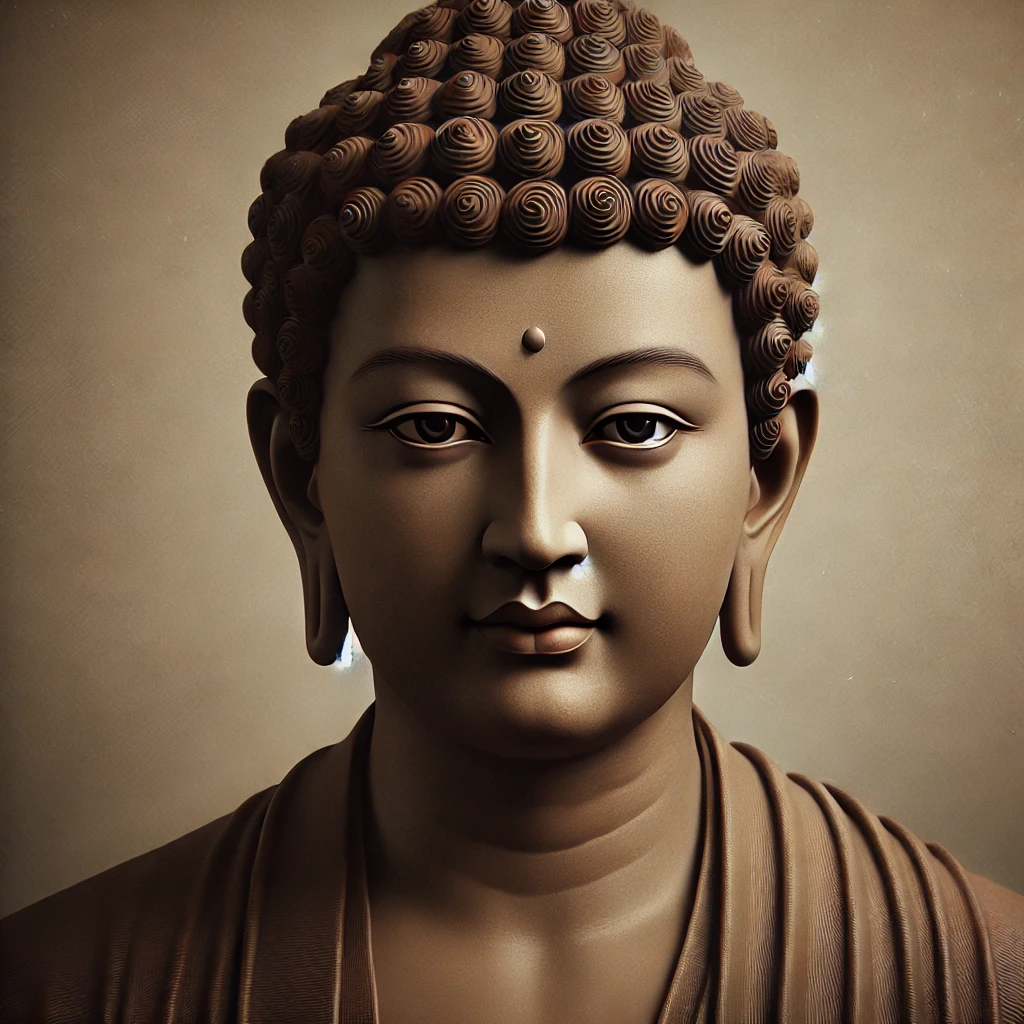
Buddha
Buddha: The Axial Age and the Internal Revolution of Dignity In the scope of human history, few periods have been as pivotal as the Axial Age (c. 800–200 BCE), a time when humanity began to move beyond tribalism and ritualism toward a deeper understanding of universal truth.[1] Amidst the rise of great empires and the…
-
Zarathustra
The Architect of Moral Agency and the Path of Asha The history of human freedom does not begin with modern revolutions, but in the high plains of ancient Iran with a figure named Zarathustra (c. 1500–1000 BCE).[1] Before the emergence of the great Greek philosophers or the legal codes of the West, Zarathustra introduced a…
-

The Cycle of Conflict
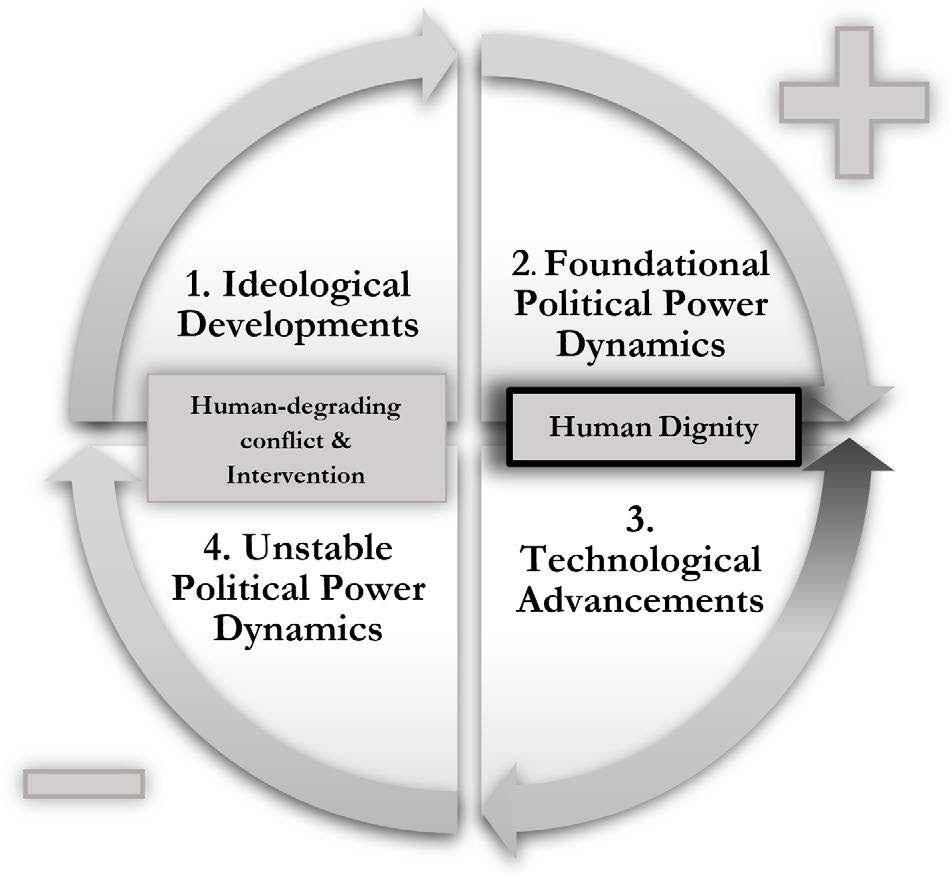
Not all conflict is bad. Many aspects of conflict spur creativity and create a demand for institutional processes that preserve truth, legitimacy, and accountability in an increasingly complex environment. Conflict becomes Human-Degrading when human dignity is no longer recognized by bystanders of harm or injustice. But how does that recognition fade? Is it the result…
-

The loss of respect for Human Dignity
Dignity with respect to the person is rooted inside each of us to inspire the rational capacity for self-determination, problem solving, and love. In this way, each human being is a thread to the fabric of humanity. Understanding the absolute value of Human Dignity is a prerequisite to seeing the requisite for respecting the…