Tag: Cycle of Conflict
-

Inherent Human Dignity: 1 Practical Blueprint for Resolving Modern Conflict
Can inherent human dignity resolve the cycle of conflict? Using lessons leading up to the 1979 Iranian Revolution and today’s global headlines, we explore why recognizing inherent dignity is the only practical blueprint for peace and political stability.
-

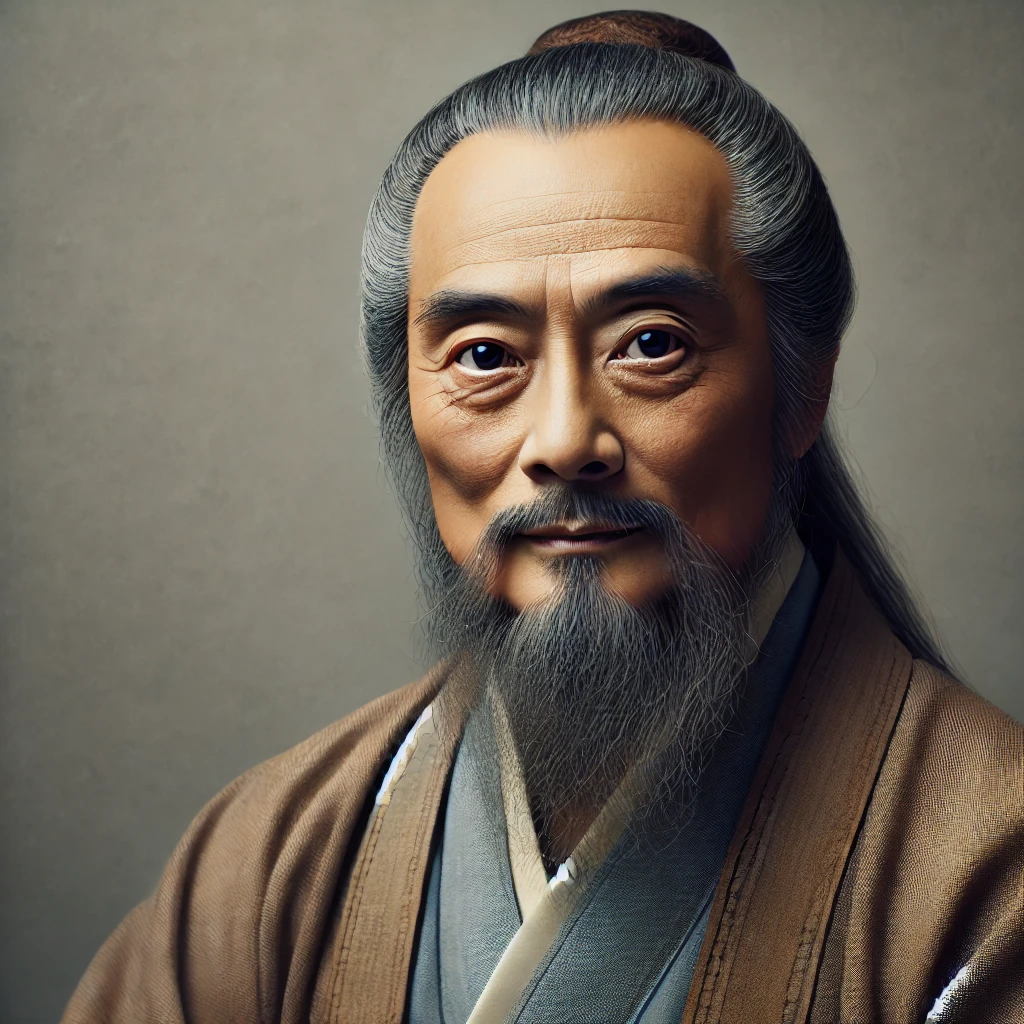
Mencius
In our exploration of the Axial Age, we turn to Mencius (c. 372–289 BCE), the Second Sage of Confucianism. While he lived centuries after Confucius, Mencius is central to our study of human development because he provided the philosophical proof for one of the two critical insights that shape our book: humanity’s inherent desire for…
-

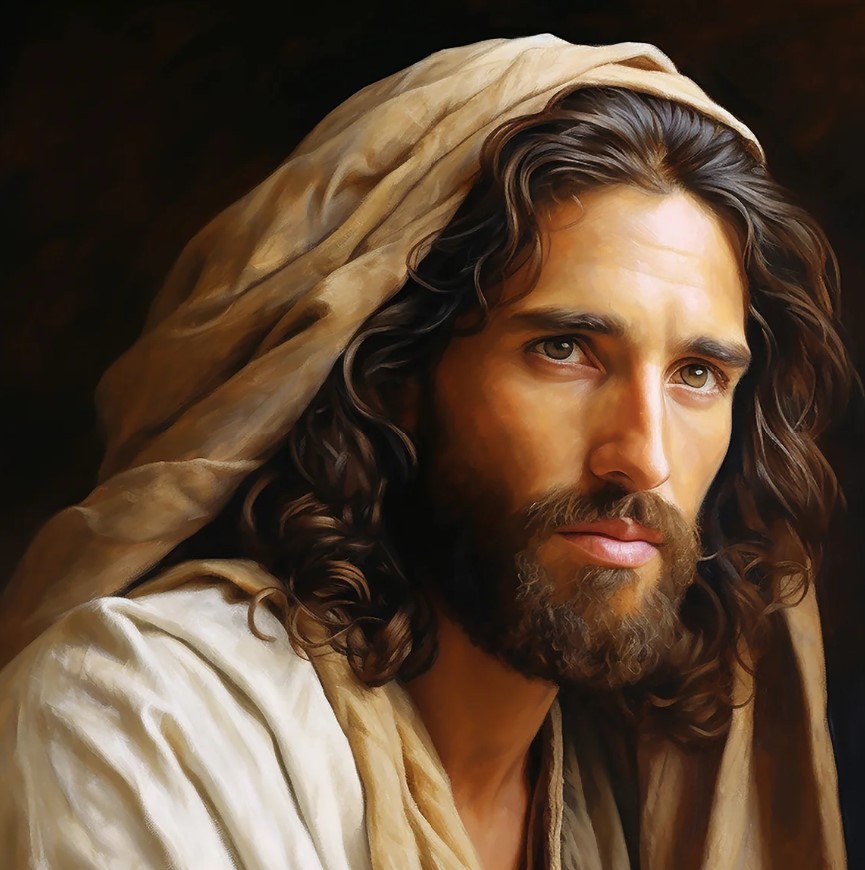
Jesus of Nazareth
In our book, Conflict: Recognizing Human Dignity as a Solution to Humanity’s Greatest Challenges, we explore the life and teachings of Jesus Christ (c. 4 BCE to 30 or 33 CE) as a profound turning point in the history of human dignity. His ministry emerged during a period of intense Political Power Dynamics, where the…
-

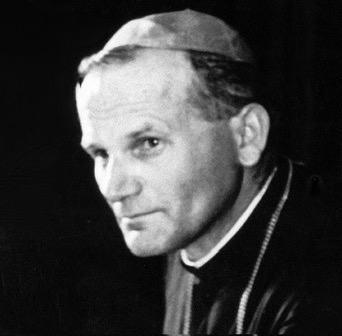
John Paul II, born Karol Wojtyła
Given his role as a foundational influence for the Freedom and Responsibility Institute, it is essential to highlight how his academic and papal writings provided the philosophical framework for modern dignity. St. John Paul II (1920–2005) did not just preach about dignity; he codified it into a rigorous system of thought through encyclicals, which challenged…
-

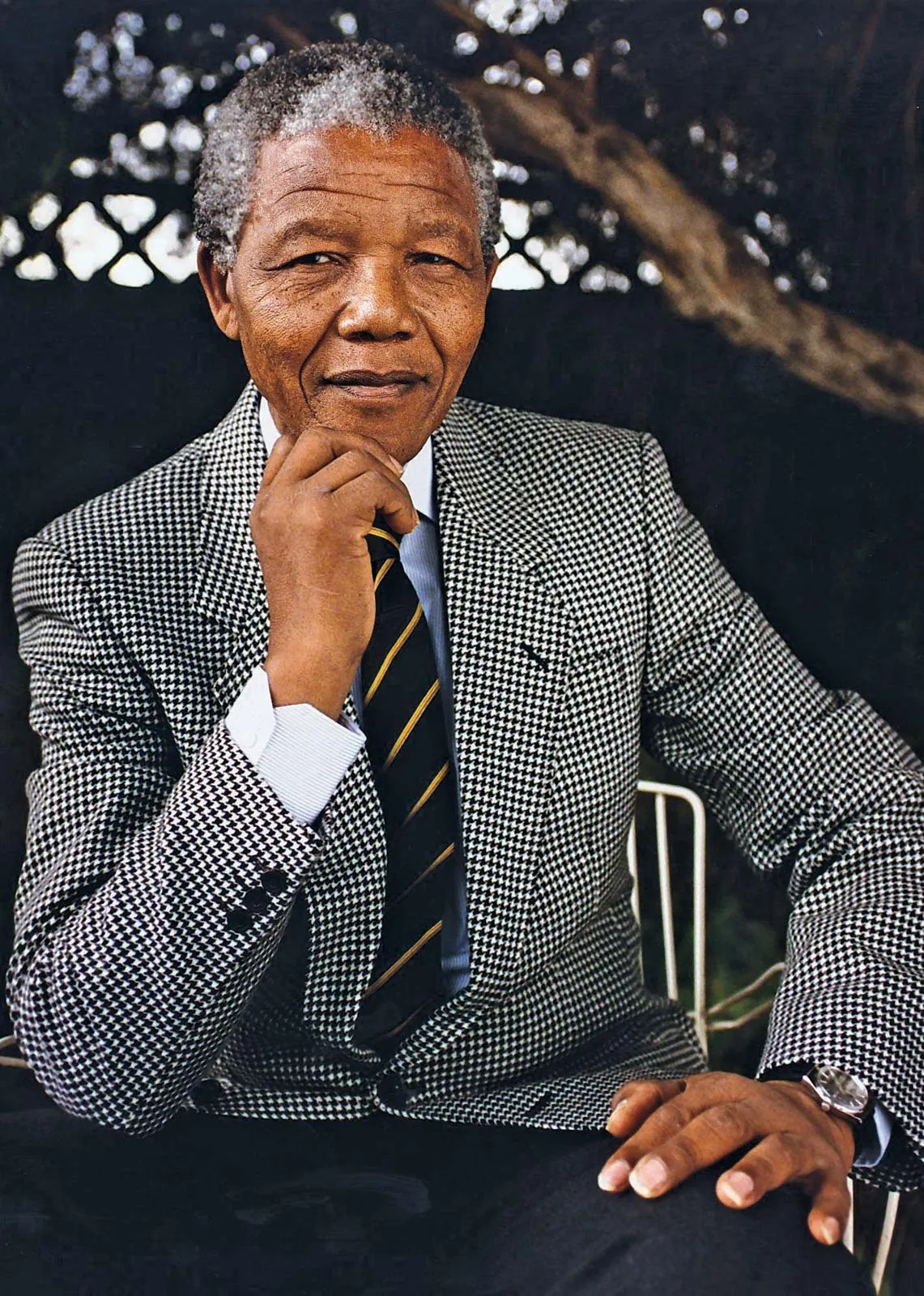
Nelson Mandela
Nelson Mandela (1918–2013) stands as a monumental figure in the transition from a society governed by the Law of Force to one striving for a culture of dignity. His life, famously documented in his autobiography, Long Walk to Freedom, serves as a masterclass in how independent agency and rational capacity can dismantle even the most…
-

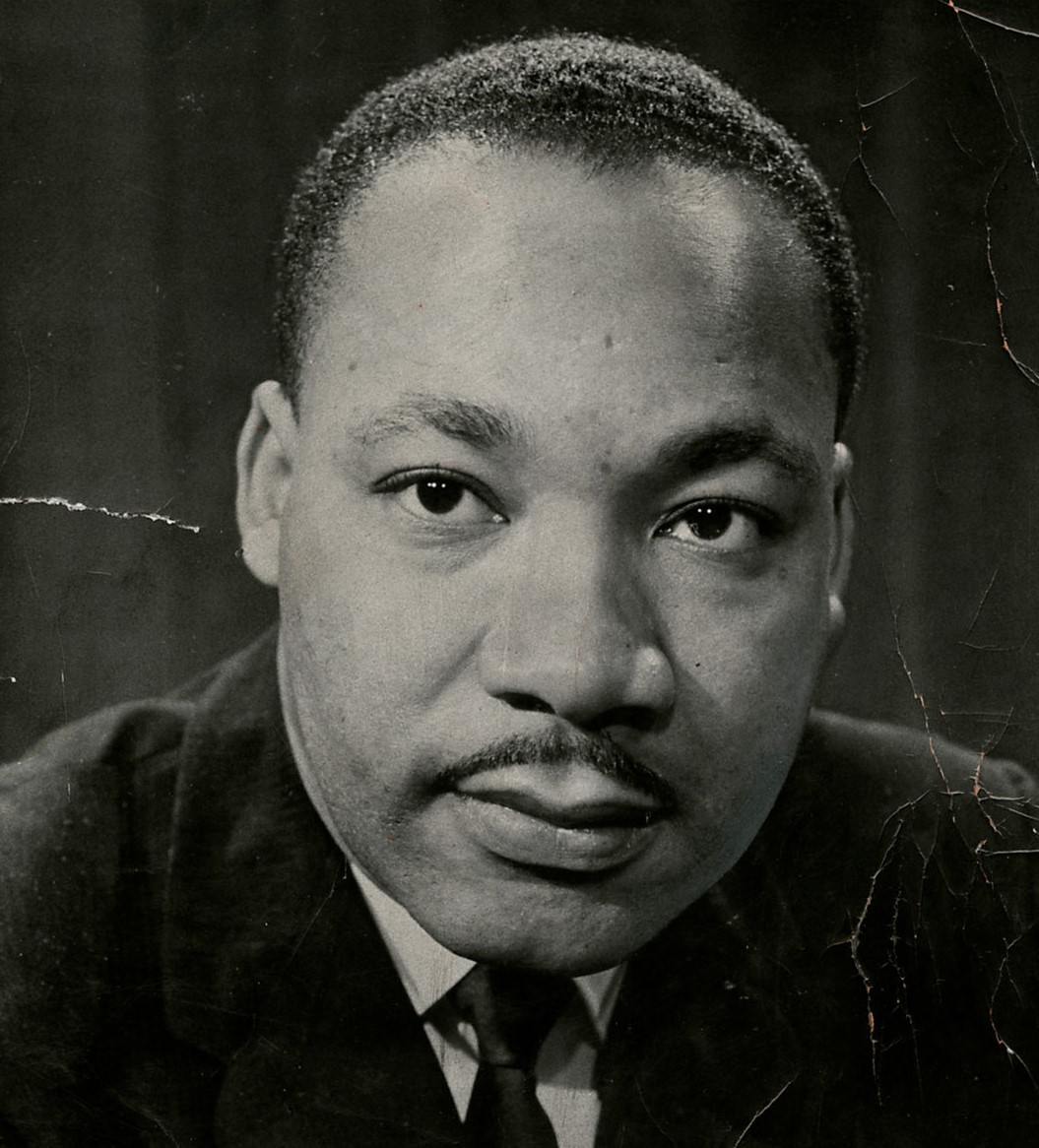
Martin Luther King, Jr.
Martin Luther King, Jr. (1929–1968) stands as one of the most powerful examples of how independent agency and moral courage can dismantle systemic injustice. In our book, Conflict: Recognizing Human Dignity as a Solution to Humanity’s Greatest Challenges, we explore his leadership as a radical ideological development: the belief that nonviolent resistance is the most…
-

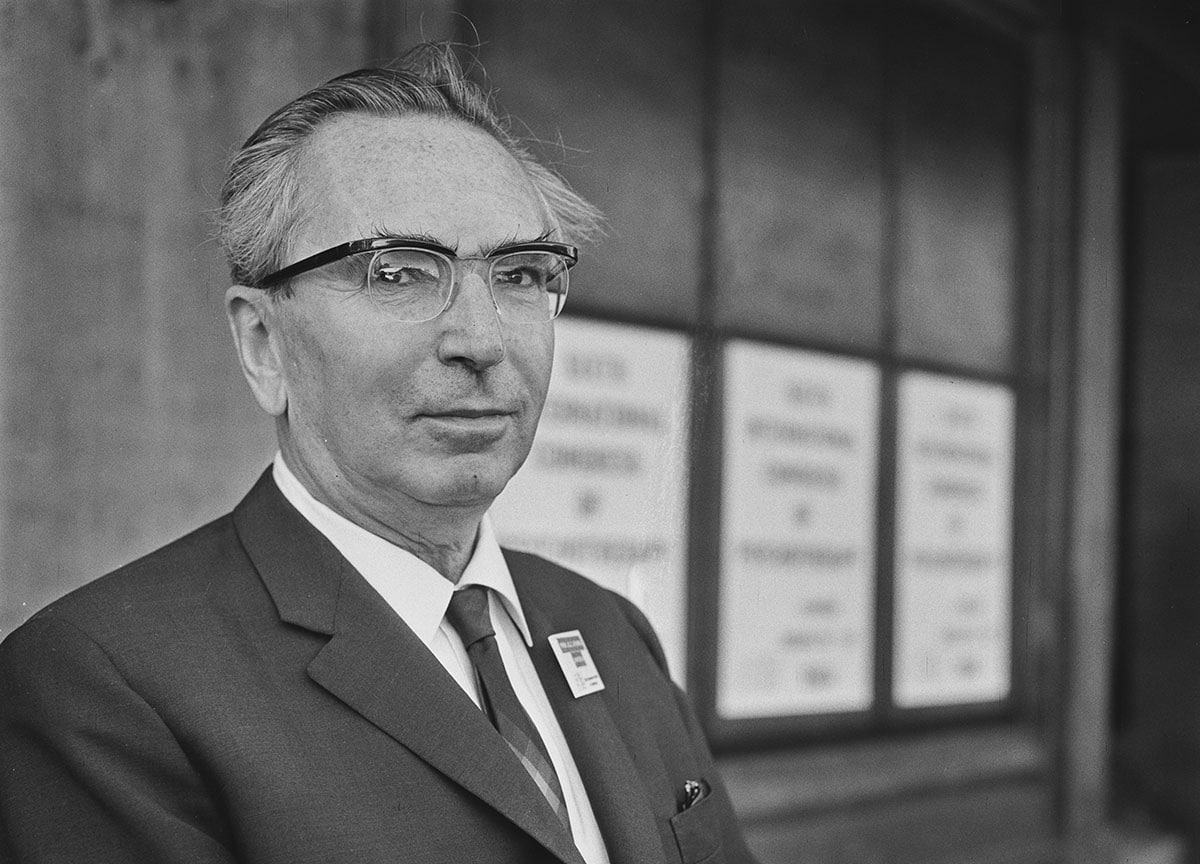
Viktor Frankl
In our book, Conflict: Recognizing Human Dignity as a Solution to Humanity’s Greatest Challenges, we explore the ultimate resilience of the human spirit. Viktor Frankl (1905–1997), a psychiatrist and Holocaust survivor, provides perhaps the most profound evidence for our argument that human dignity is an innate characteristic that no external system can truly strip away.[1]…
-
Eleanor Roosevelt
While Eleanor Roosevelt is most frequently celebrated as the First Lady of the World, she is arguably the primary architect of the United Nations’ moral and ethical identity. In our book, Conflict: Recognizing Human Dignity as a Solution to Humanity’s Greatest Challenges, we explore how she moved the UN beyond being a mere political alliance…
-

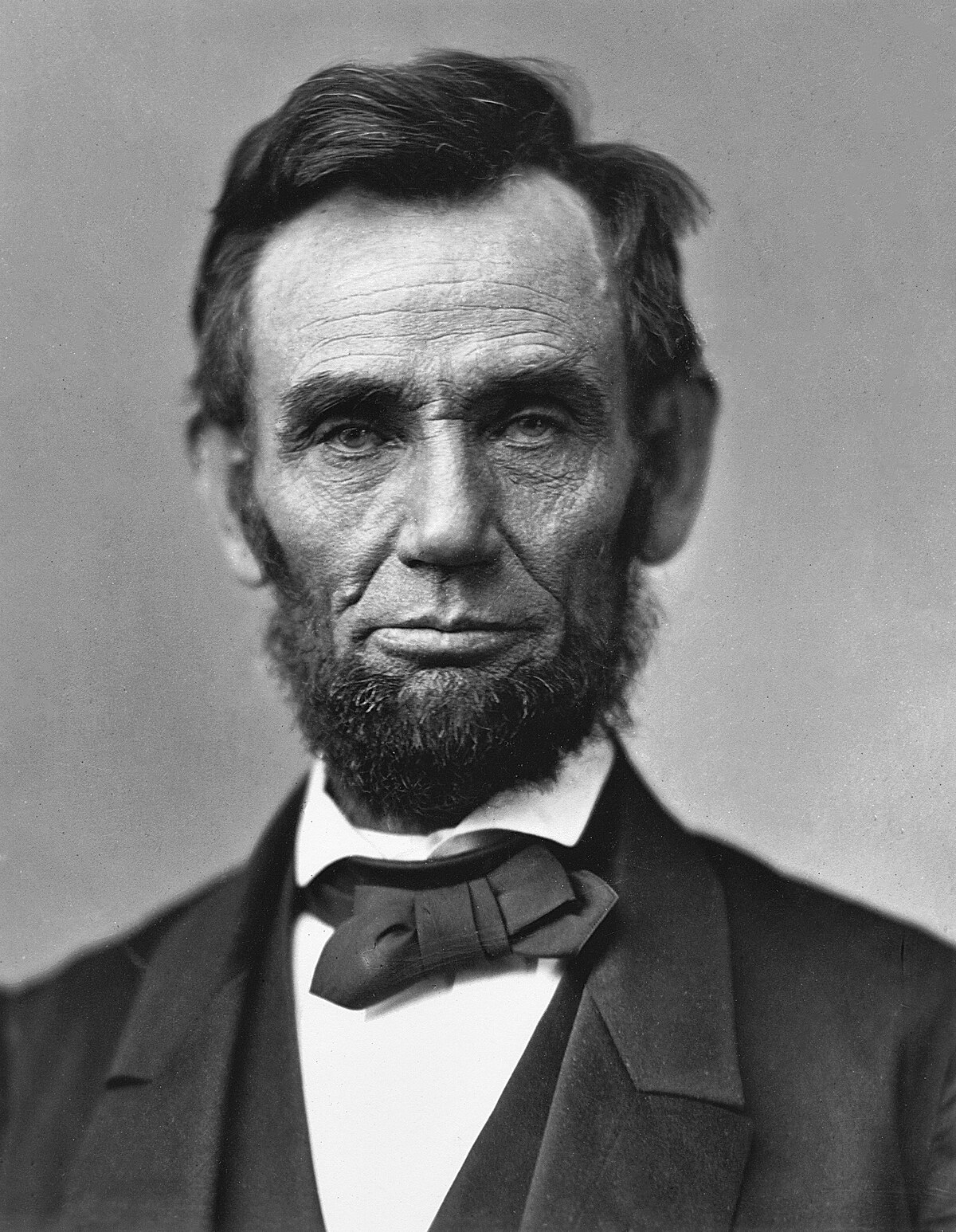
Abraham Lincoln
Abraham Lincoln (1809–1865) remains a cornerstone figure in the history of human dignity for his role in navigating the American democratic experiment through its greatest existential crisis. As analyzed in our book, Conflict: Recognizing Human Dignity as a Solution to Humanity’s Greatest Challenges, his leadership was a profound exercise in moral philosophy under extreme pressure.[1]…
-
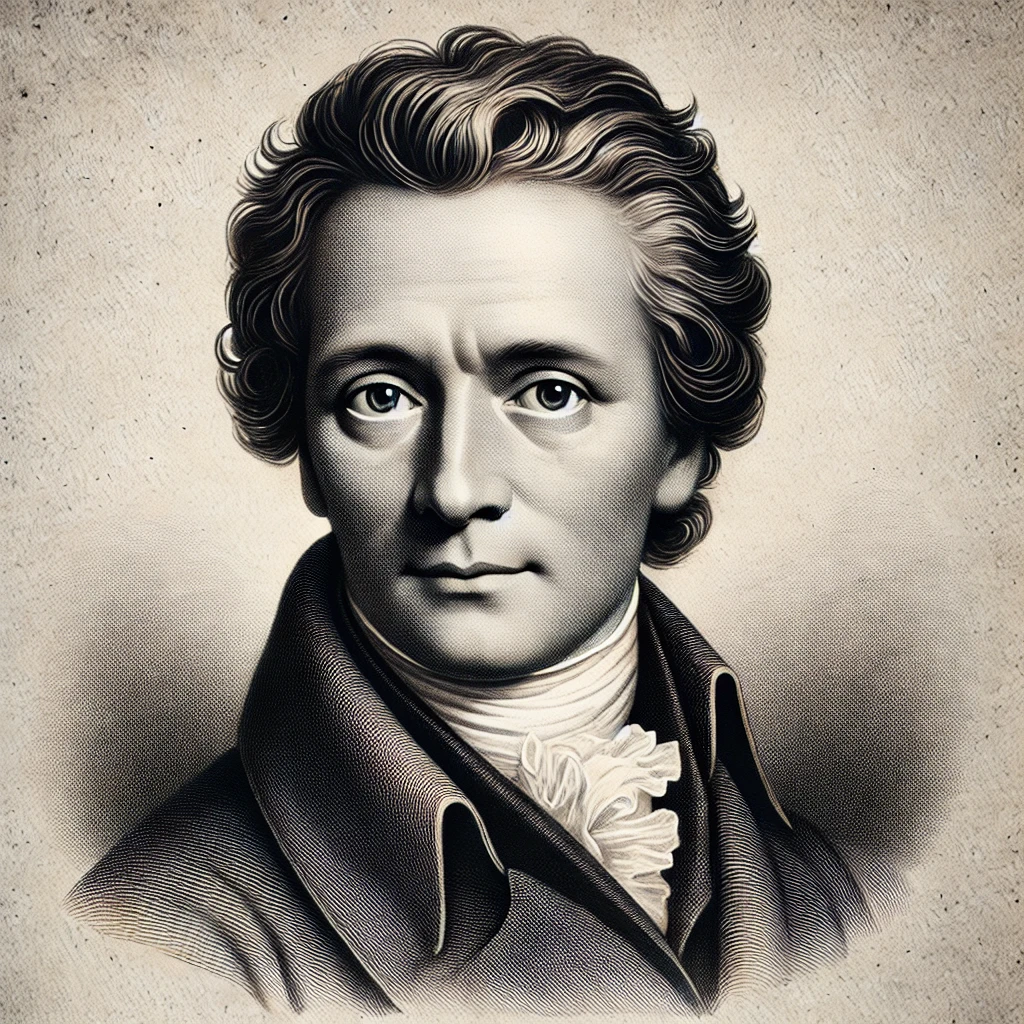
Johann Wolfgang von Goethe
In our book, Conflict: Recognizing Human Dignity as a Solution to Humanity’s Greatest Challenges, we explore how Ideological Developments allow us to move beyond the narrow confines of tribalism. Johann Wolfgang von Goethe (1749–1832) stands as a monumental figure in this journey, using his “rational capacity” and “intellect” to bridge the gap between science, art,…
-
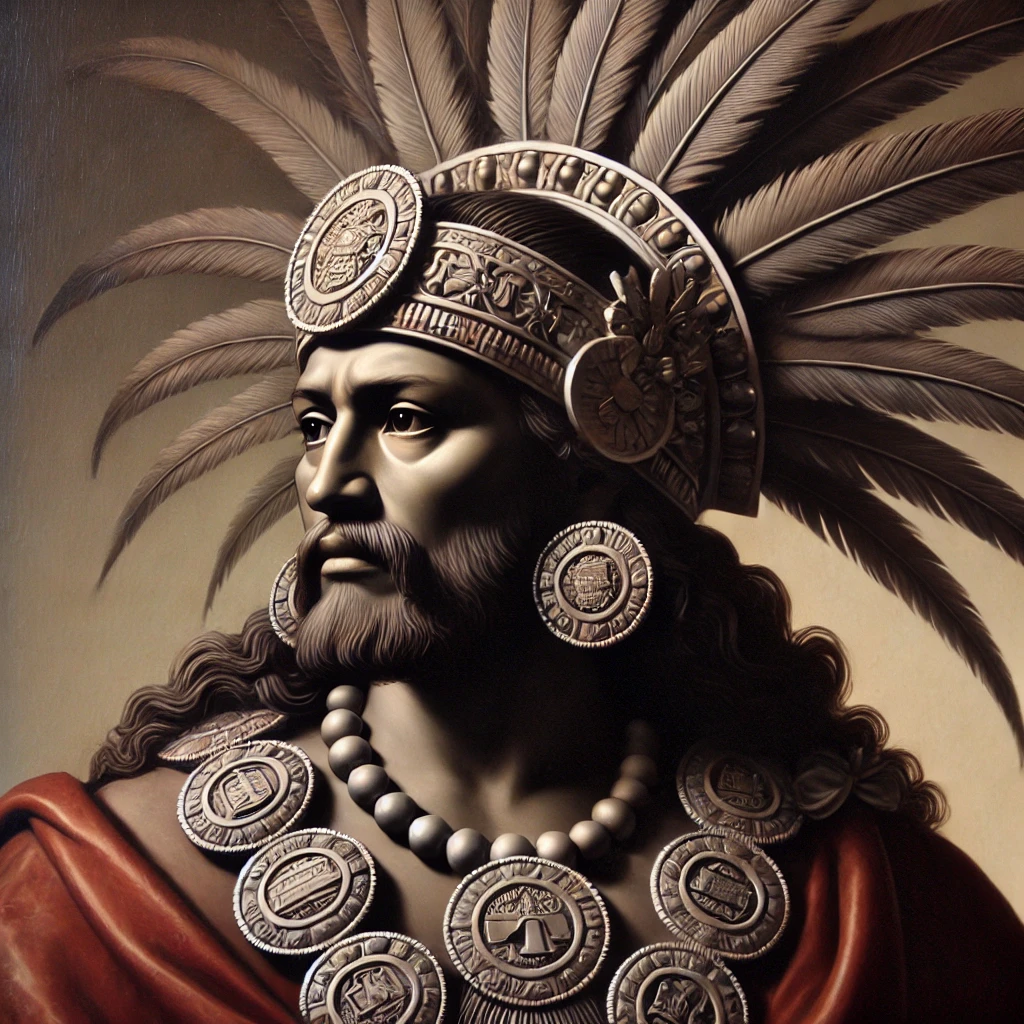
Nezahualcóyotl
Explore how Nezahualcóyotl used Ideological Developments to challenge the Law of Force in ancient Mexico. Discover his legacy in our book, Conflict.
-
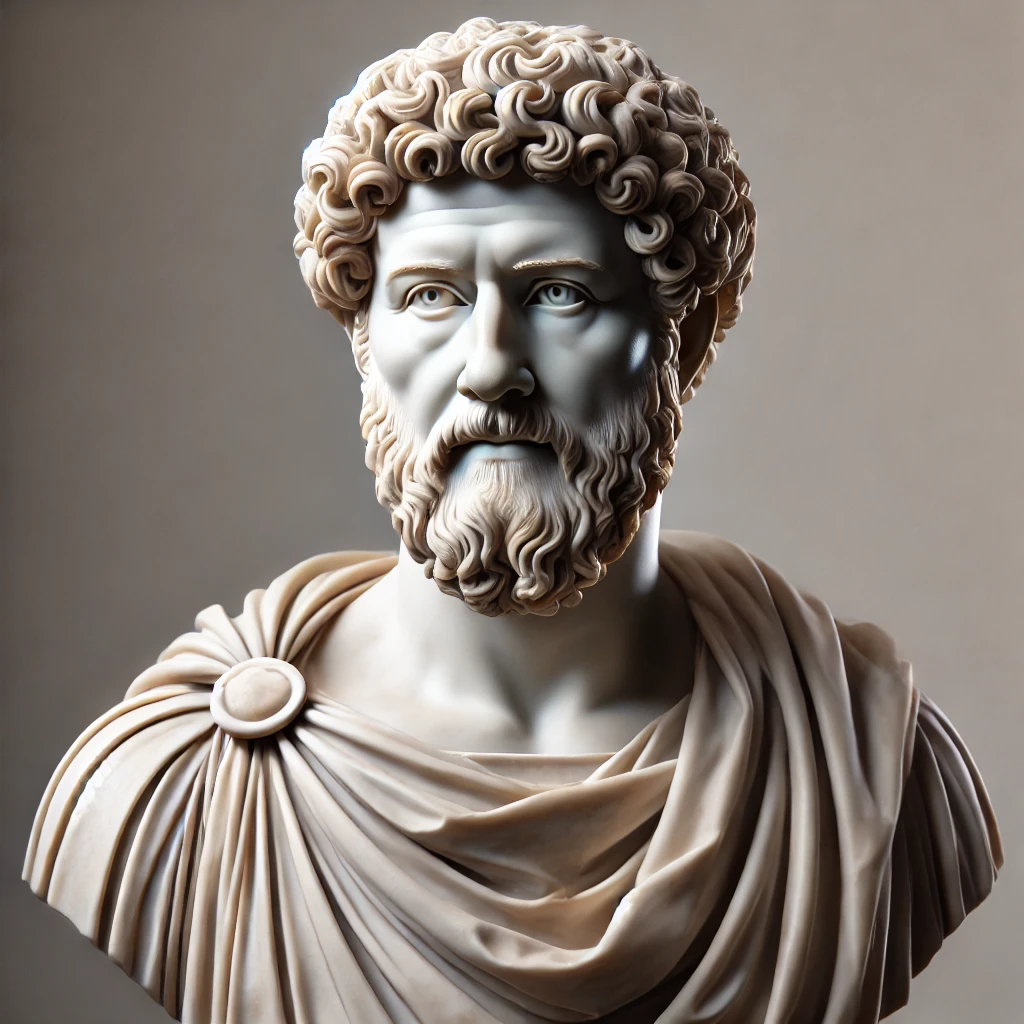
Marcus Aurelius
In our book, Conflict: Recognizing Human Dignity as a Solution to Humanity’s Greatest Challenges, we analyze Marcus Aurelius (121 to 180 CE) as a unique figure who balanced the highest levels of Political Power Dynamics with a profound commitment to internal Ideological Development.[1] As both a Roman Emperor and a Stoic philosopher, he personified the…
-

Aristotle
In our exploration of the Axial Age, we arrive at Aristotle (384 to 322 BCE), a student of Plato – who in turn was a student of Socrates – and one of the most influential figures in the history of Western thought.[1] In our book, Conflict: Recognizing Human Dignity as a Solution to Humanity’s Greatest…
-
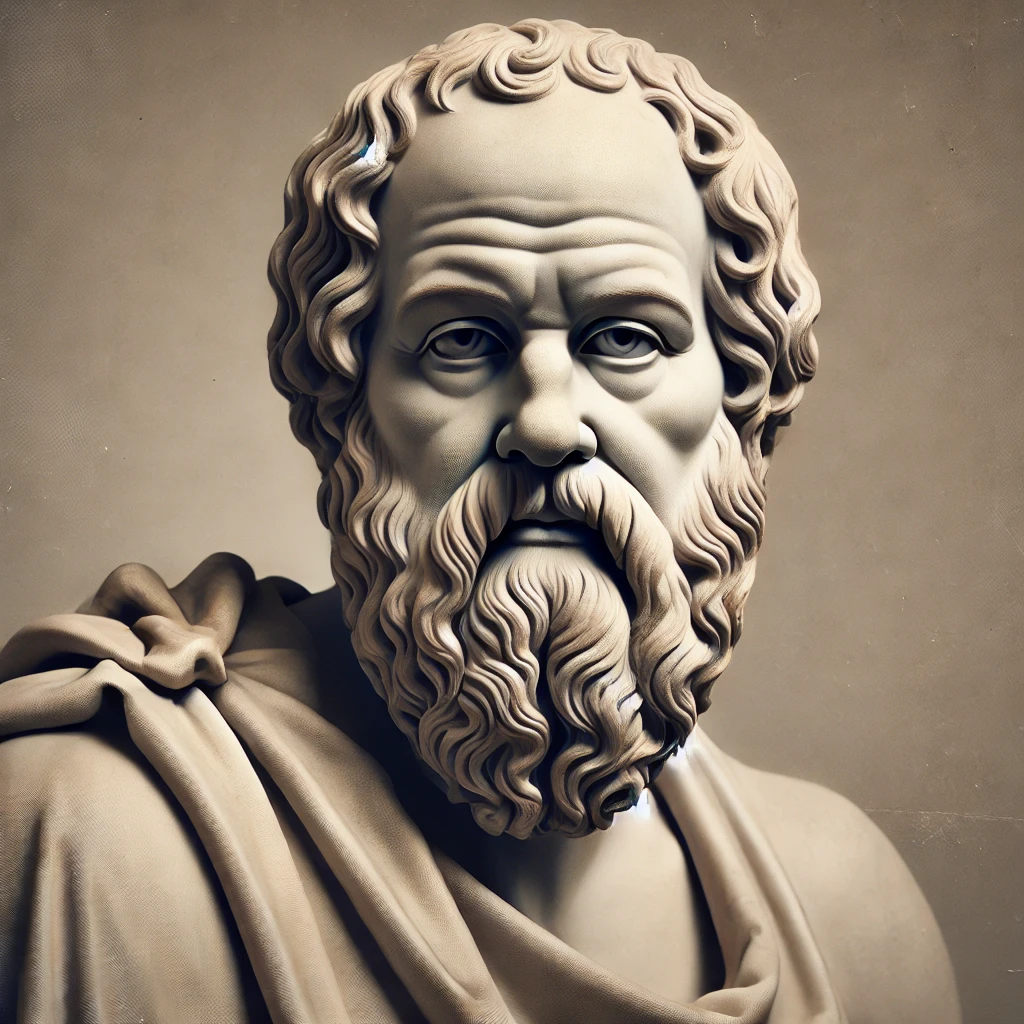
Socrates
In our book, Conflict: Recognizing Human Dignity as a Solution to Humanity’s Greatest Challenges, we analyze Socrates (469 to 399 BCE) as a pivotal figure of the Axial Age, a period where influential thinkers emerged contemporaneously across different civilizations to challenge existing norms.[1] Socrates personifies the Ideological Development of using “rational capacity” as a primary…
-
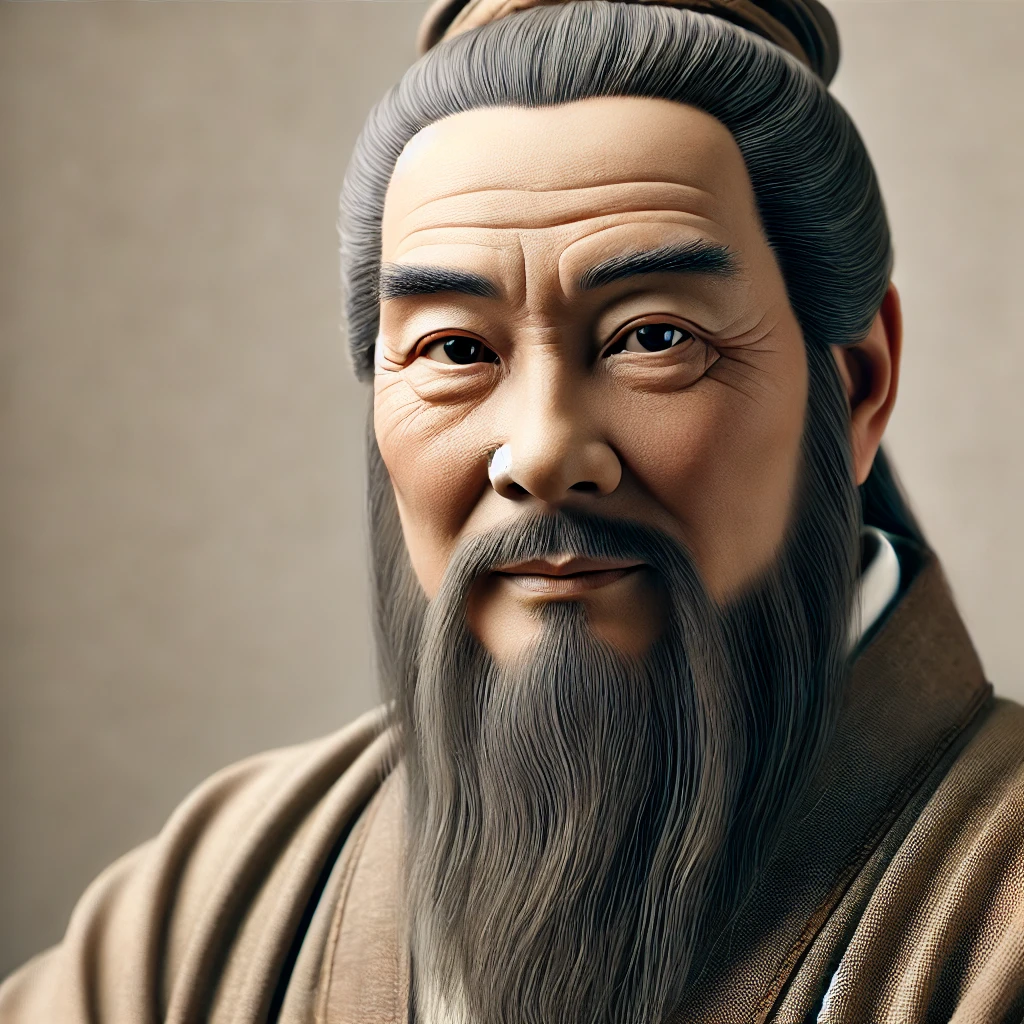
Confucius
Confucius: The Ethics of Order and the Fabric of Dignity During the Axial Age, as Chinese states were fractured by the chaos of the Warring States period, a scholar named Kong Fuzi—known to the West as Confucius (551–479 BCE)—proposed a radical solution to the “Cycle of Conflict.”[1] While the prevailing Political Power Dynamics of the…
-
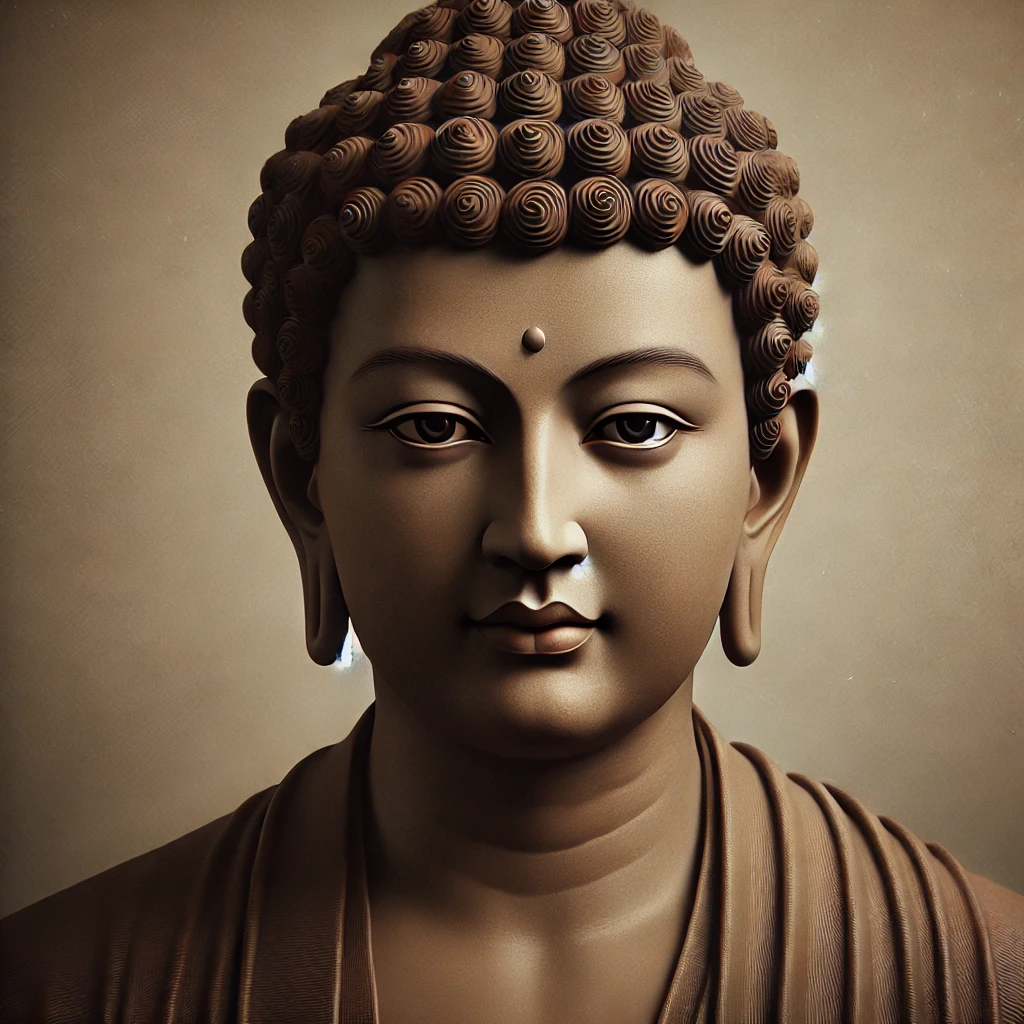
Buddha
Buddha: The Axial Age and the Internal Revolution of Dignity In the scope of human history, few periods have been as pivotal as the Axial Age (c. 800–200 BCE), a time when humanity began to move beyond tribalism and ritualism toward a deeper understanding of universal truth.[1] Amidst the rise of great empires and the…
-
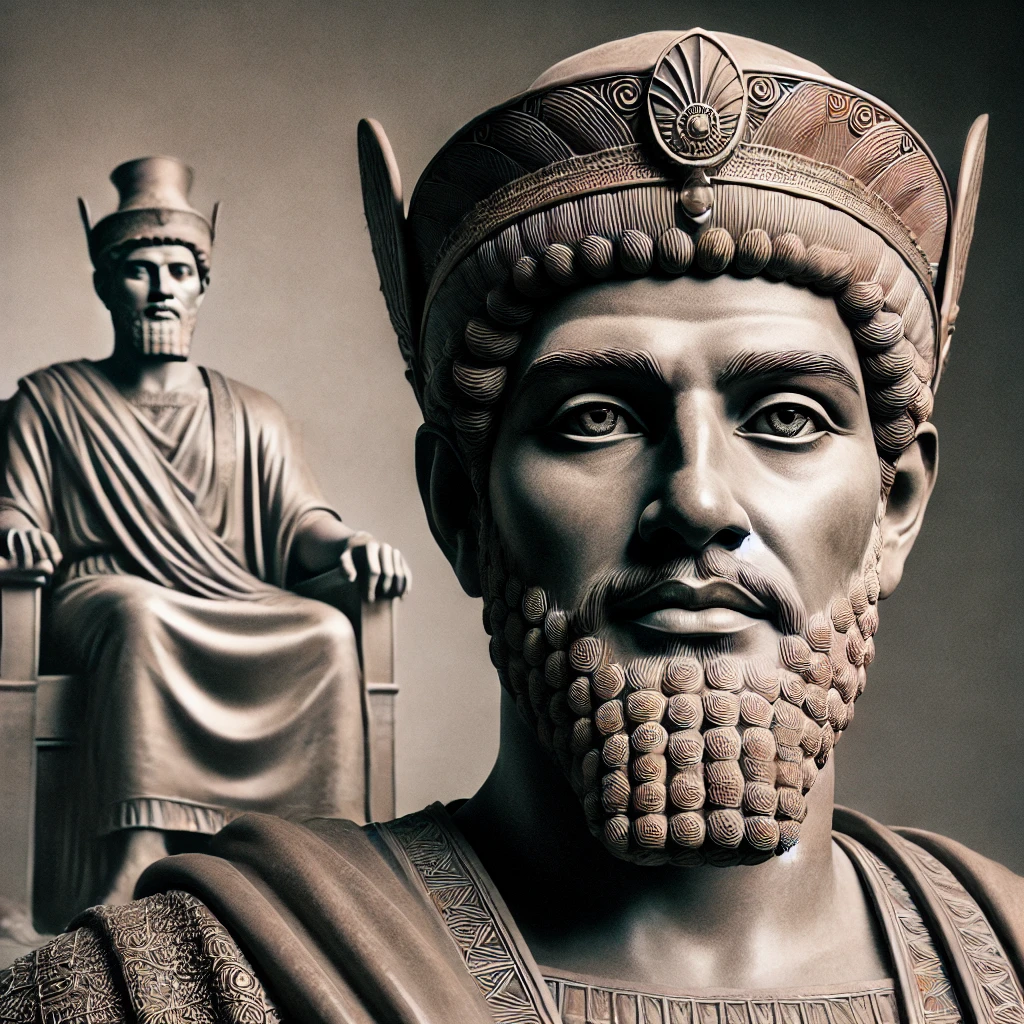
Hammurabi
1894 to 1595 BCE – Old Babylonian Period & the “Code of Hammurabi”: King Hammurabi’s “Code of Hammurabi” promoted a significant ideological development which encouraged cooperation throughout the Babylonian Mesopotamia’s empire. The Code of Hammurabi led to the first legal system, which had 282 laws people to follow.[1] Law 196, An Eye for an eye,…