Tag: Conflict Resolution
-

Inherent Human Dignity: 1 Practical Blueprint for Resolving Modern Conflict
Can inherent human dignity resolve the cycle of conflict? Using lessons leading up to the 1979 Iranian Revolution and today’s global headlines, we explore why recognizing inherent dignity is the only practical blueprint for peace and political stability.
-

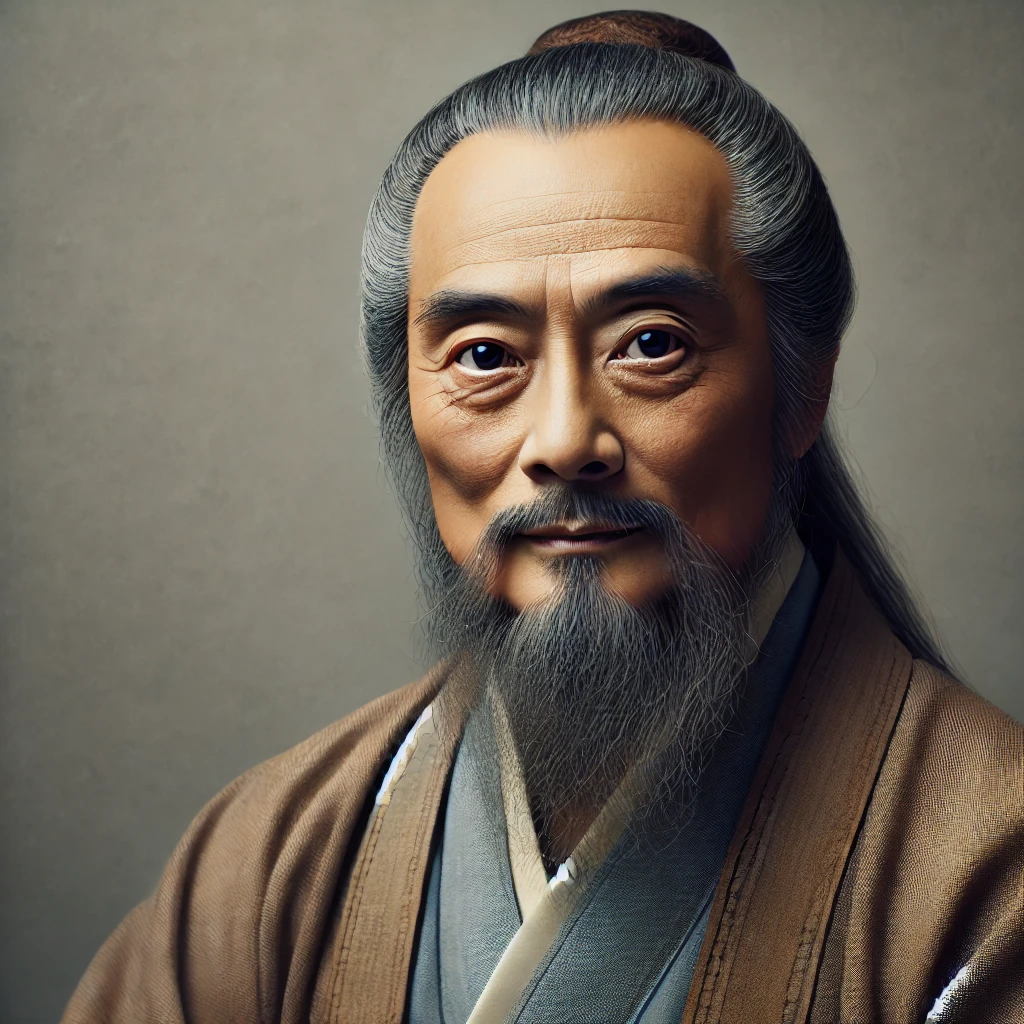
Mencius
In our exploration of the Axial Age, we turn to Mencius (c. 372–289 BCE), the Second Sage of Confucianism. While he lived centuries after Confucius, Mencius is central to our study of human development because he provided the philosophical proof for one of the two critical insights that shape our book: humanity’s inherent desire for…
-

Jesus of Nazareth
In our book, Conflict: Recognizing Human Dignity as a Solution to Humanity’s Greatest Challenges, we explore the life and teachings of Jesus Christ (c. 4 BCE to 30 or 33 CE) as a profound turning point in the history of human dignity. His ministry emerged during a period of intense Political Power Dynamics, where the…
-
Eleanor Roosevelt
While Eleanor Roosevelt is most frequently celebrated as the First Lady of the World, she is arguably the primary architect of the United Nations’ moral and ethical identity. In our book, Conflict: Recognizing Human Dignity as a Solution to Humanity’s Greatest Challenges, we explore how she moved the UN beyond being a mere political alliance…
-

Abraham Lincoln
Abraham Lincoln (1809–1865) remains a cornerstone figure in the history of human dignity for his role in navigating the American democratic experiment through its greatest existential crisis. As analyzed in our book, Conflict: Recognizing Human Dignity as a Solution to Humanity’s Greatest Challenges, his leadership was a profound exercise in moral philosophy under extreme pressure.[1]…
-
Zarathustra
The Architect of Moral Agency and the Path of Asha The history of human freedom does not begin with modern revolutions, but in the high plains of ancient Iran with a figure named Zarathustra (c. 1500–1000 BCE).[1] Before the emergence of the great Greek philosophers or the legal codes of the West, Zarathustra introduced a…
-

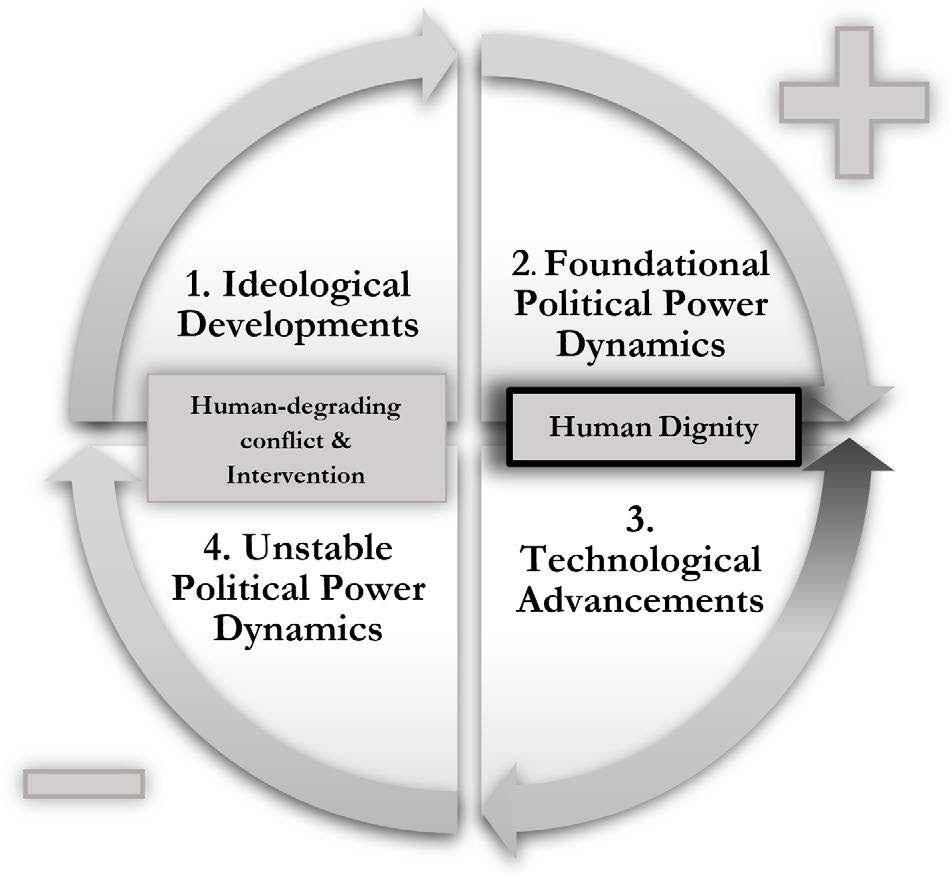
The Cycle of Conflict
Not all conflict is bad. Many aspects of conflict spur creativity and create a demand for institutional processes that preserve truth, legitimacy, and accountability in an increasingly complex environment. Conflict becomes Human-Degrading when human dignity is no longer recognized by bystanders of harm or injustice. But how does that recognition fade? Is it the result…
-

The loss of respect for Human Dignity
Dignity with respect to the person is rooted inside each of us to inspire the rational capacity for self-determination, problem solving, and love. In this way, each human being is a thread to the fabric of humanity. Understanding the absolute value of Human Dignity is a prerequisite to seeing the requisite for respecting the…