
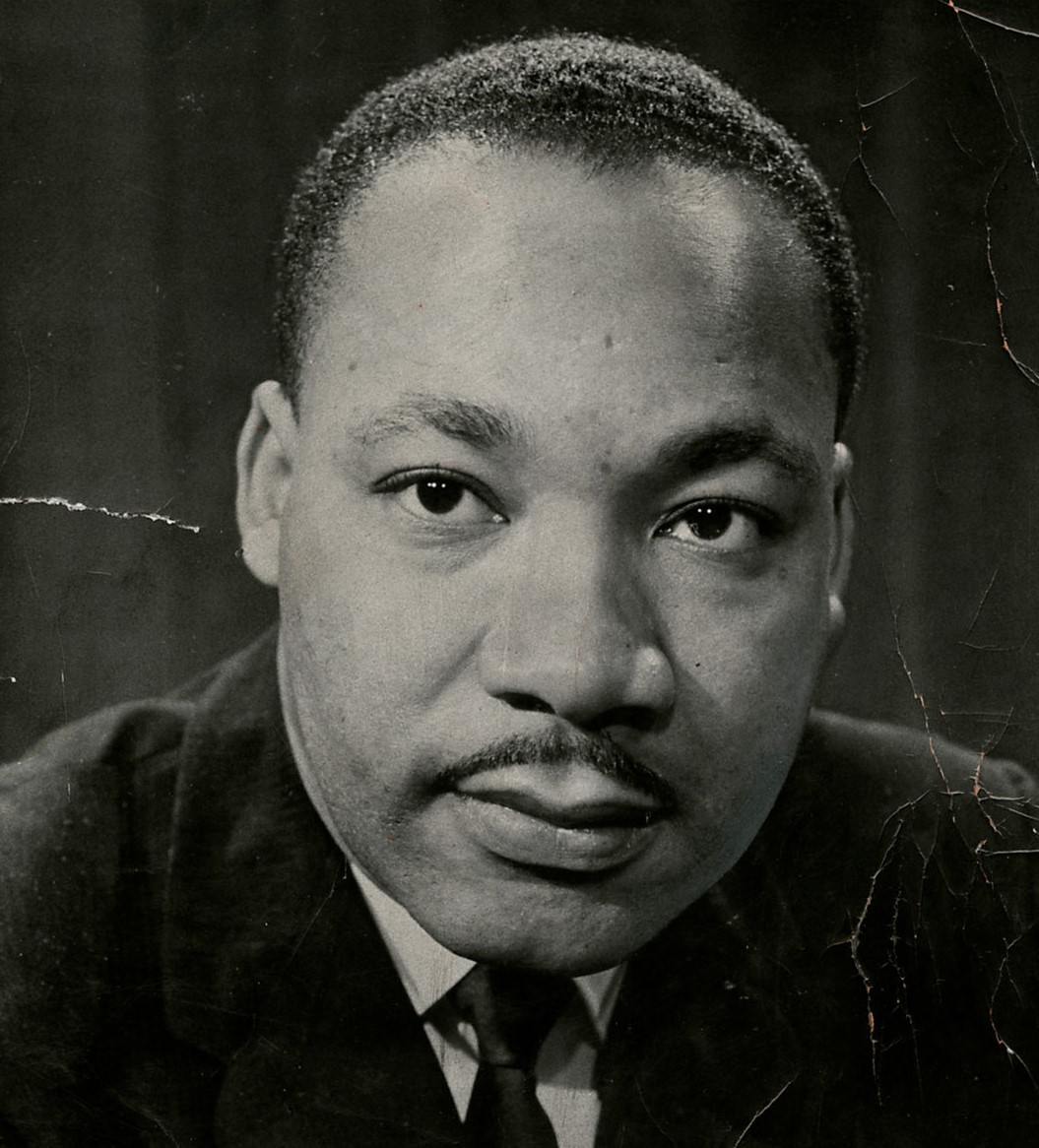
Martin Luther King, Jr. (1929–1968) stands as one of the most powerful examples of how independent agency and moral courage can dismantle systemic injustice. In our book, Conflict: Recognizing Human Dignity as a Solution to Humanity’s Greatest Challenges, we explore his leadership as a radical ideological development: the belief that nonviolent resistance is the most effective tool to overcome the Law of Force.[1]
The Architect of a Moral Revolution
King’s philosophy was built on the foundation of rational capacity and a deep commitment to moral virtues. He recognized that the cycle of conflict in the United States was fueled by a long history of human-degrading laws. To break this cycle, he appealed to the “content of one’s character” rather than the color of one’s skin.[2]
He famously argued that an unjust law is a human-degrading law. By leading marches and boycotts, King demonstrated the responsible use of freedom. He showed that power does not have to be used for dominance; it can be used to “bend the arc of the universe toward justice” through empathy and truth.
Navigating Destructive Political Power Dynamics
King had to navigate intense political power dynamics, caught between the violent “self-interest” of supremacist systems and rising frustrations. Like those before him who championed the welfare of the governed, King maintained that the goal was not to defeat the opponent, but to win their friendship and understanding.[3]
This vision of the “Beloved Community” was a practical application of the pursuit of flourishing. King believed that when we recognize the intrinsic worth of the human person, we can move beyond “in-group and out-group” biases. His work was about expanding the circle of concern until it included every individual.
The Continuity of Martin Luther King’s Dream
In our book, we highlight how leaders like King use “intellect” and “free will” to interrupt the transmission of pain. King refused to meet hate with hate, choosing a path of reconciliation to create a society where laws reflect a foundational reason for respecting our neighbors.[4]
This article is part of our Historical Figures series on the History of Human Dignity.
Verified Sources
- Library of Congress. “Civil Rights History Project.” loc.gov. ↩
- The King Center. “Dr. King’s Legacy and Nonviolence.” thekingcenter.org. ↩
- The Nobel Prize. “Martin Luther King Jr. Biographical.” nobelprize.org. ↩
- National Archives. “The Civil Rights Act of 1964.” archives.gov. ↩
Contribute to the Dialogue