The History of Human Dignity: 17 Figures Who Changed the World.
How historical figures shaped modern freedom and responsibility

In order to understand the present, we must first understand the past – how we came to be and why we behave the way we do. While the word ‘Freedom’ stirs a powerful response in us all, its true meaning is often elusive. How do we move beyond the word to the actual state of being free?
At the Freedom and Responsibility Institute, we believe that true freedom is only realized when we recognize the inherent value of human dignity through the responsible use of our independent agency or behavior (i.e., our freedom). This principle echoes with increasing power through the halls of history.
Join us as we analyze the figures who were integral to the evolution of Freedom. Below, you can explore the lives and legacies of these pioneers. To go deeper into these concepts, discover our book, Conflict: Recognizing Human Dignity as a Solution to Humanity’s Greatest Challenges.
~ 1810-1750 BCE, Babylon~
Hammurabi
- “To bring about the rule of righteousness in the land, to destroy the wicked and the evil-doers; so that the strong should not harm the weak.” – Code of Hammurabi
- Original Akkadian: “ana šakān šērtim ina mātim, ana kuttum u mušētû rabûtim; šumma dannu lā imtaḫaš šūšubutum.”
~ c. 1500-1000 BCE, Iran ~
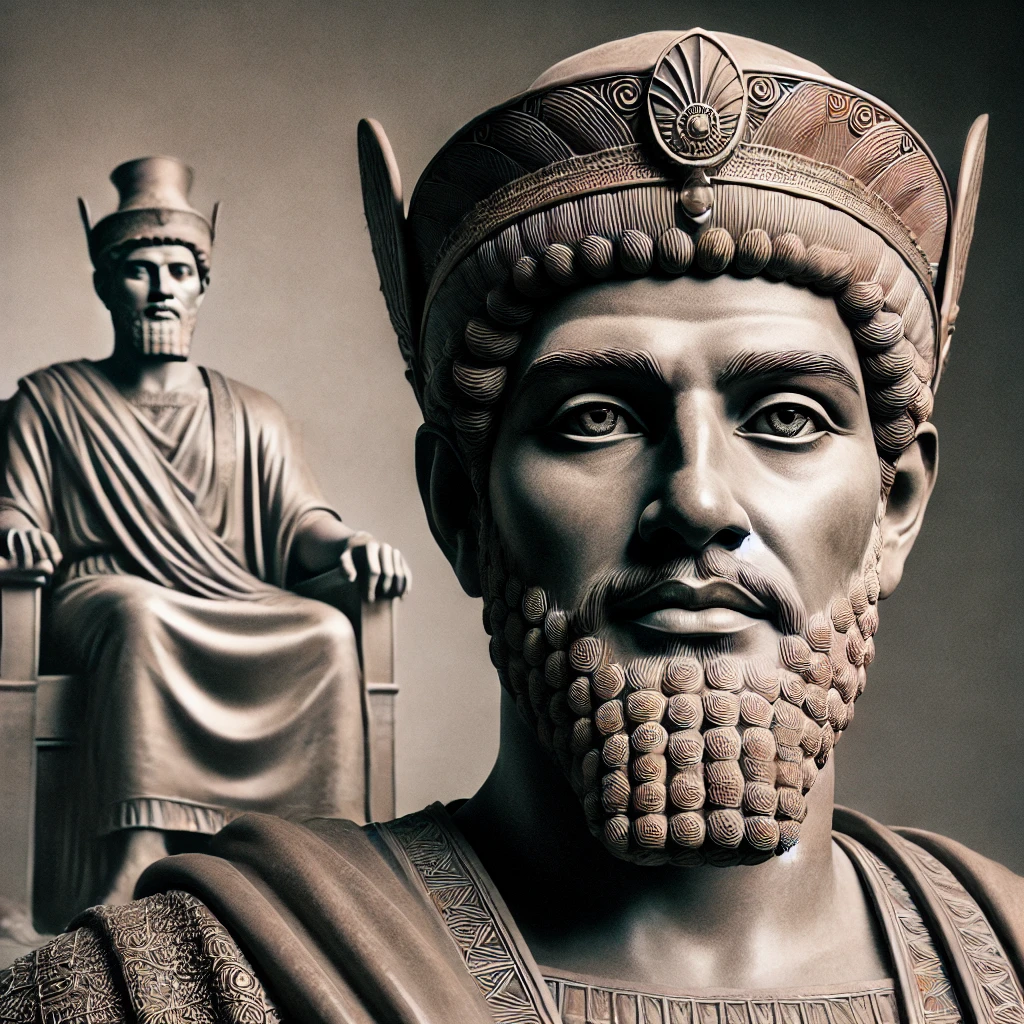
Zarathustra
- “Do not hold grain back from the tillers. Give the righteous their reward and the liar his due.” – Founder of the first Monotheistic Religion
- Original Avestan:“Yazatôish fravaxšayeiti. Ashavanô nâ îg drujô-nâ âtarsh.”
~ 563-483 BCE, Nepal~
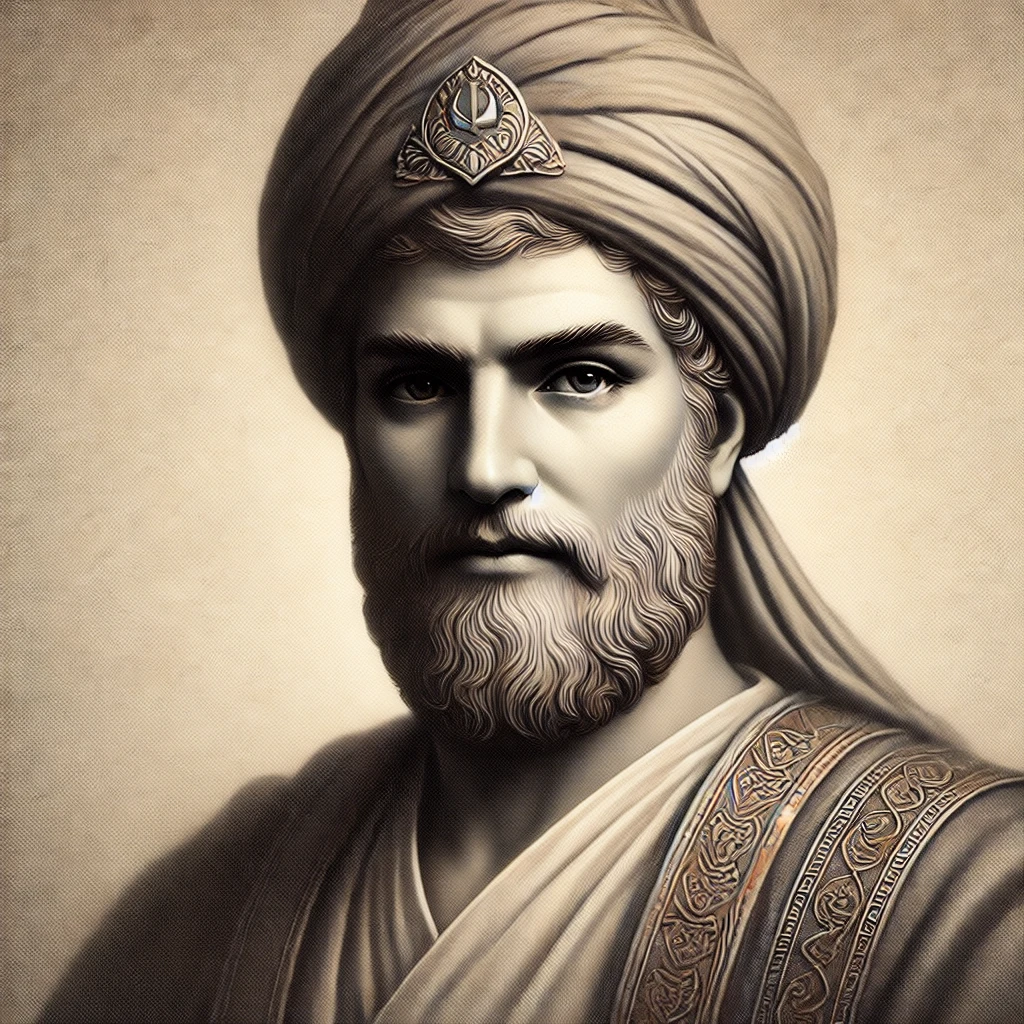
Buddha, born Siddhattha Gotama
- “Hatred does not cease by hatred, but only by love; this is the eternal rule” – Dhammapada 5
- Original Pali: Na hi verena verāni, sammantīdha kudācanaṃ; averena ca sammanti, esa dhammo sanantano.
~ 551-479 BCE, China~
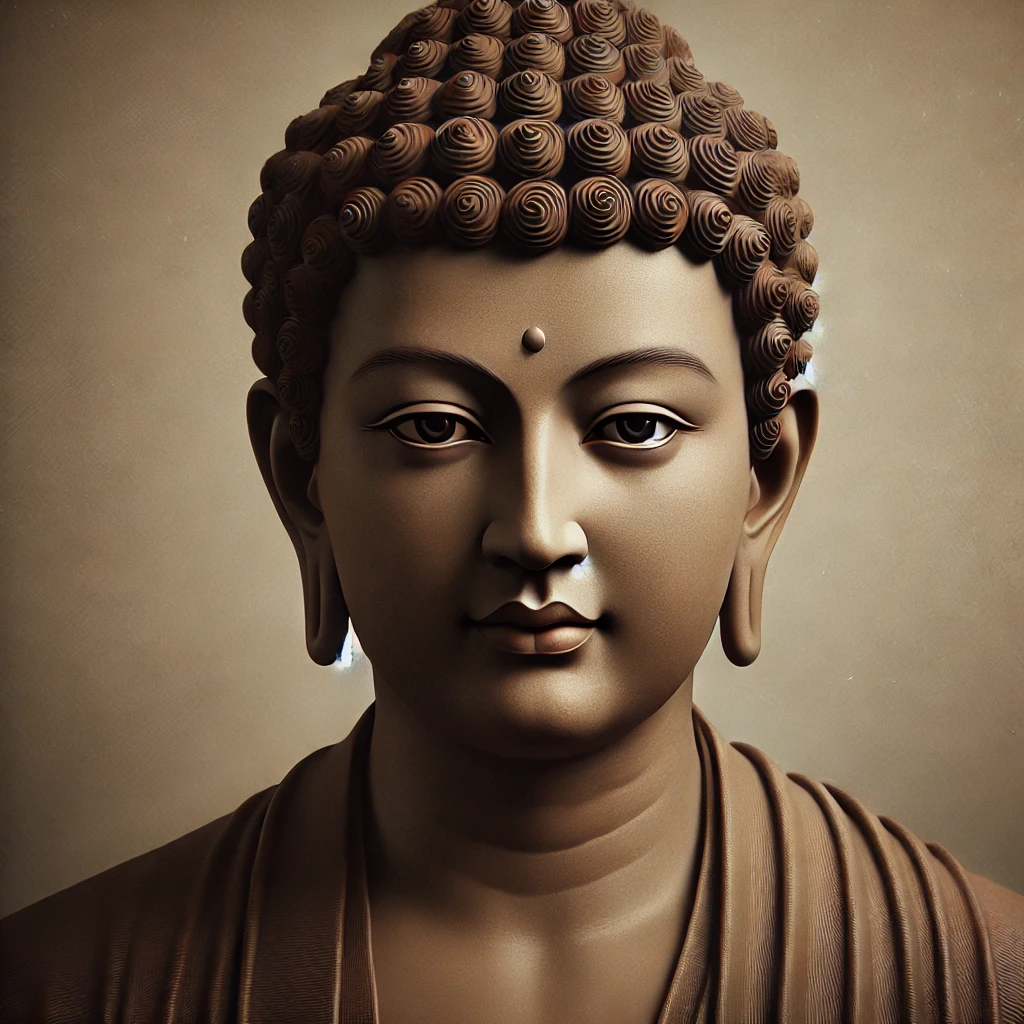
Confucius, born Kong Qiu (孔丘)
- “To see what is right – and not do it – is the act of cowardice amid the desire for courage.” – Analects of Confucius
- Original Chinese: 見義不為,無勇也。
- “The superior man understands what is right; the inferior man understands what will sell.” – Analects of Confucius
- Original Chinese: 君子喻於義,小人喻於利。
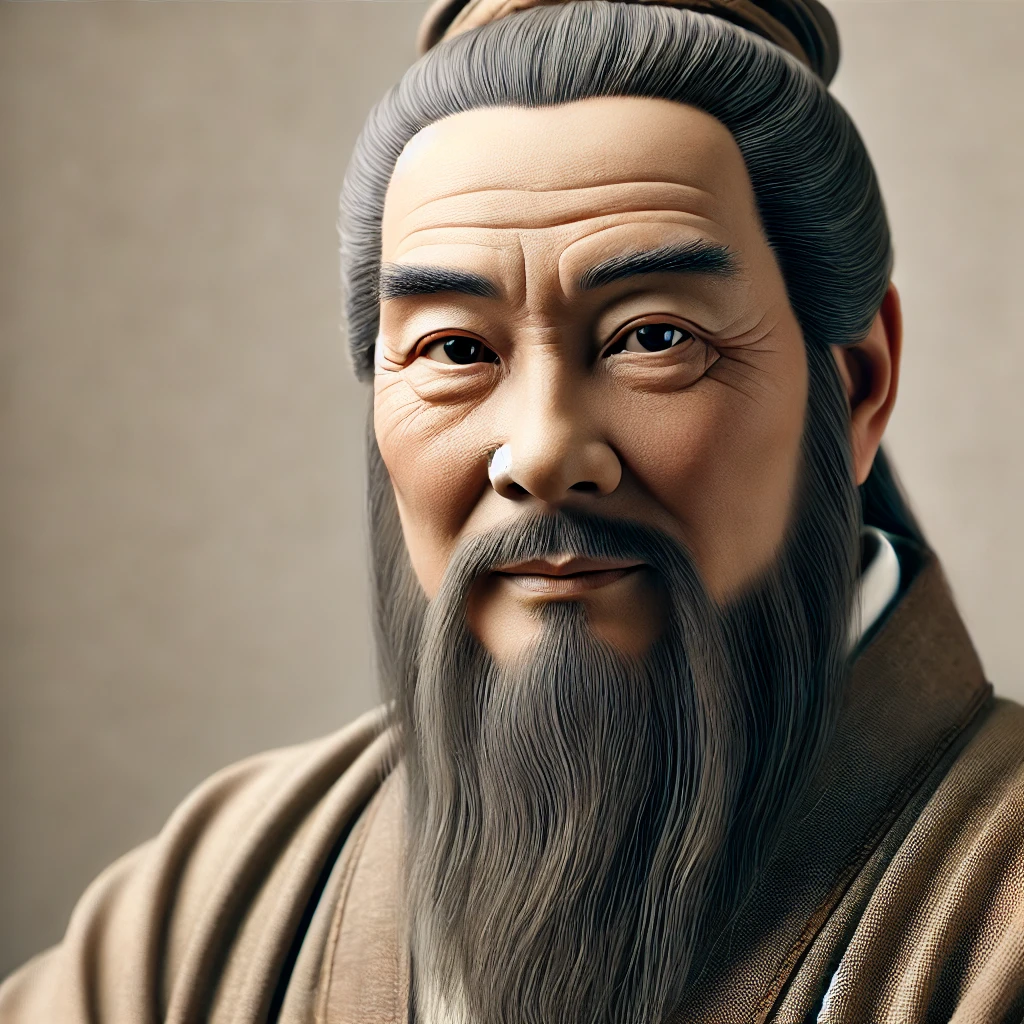
~ 470 – 399 BCE, Greece ~
Socrates
- “The unexamined life is not worth living.” – Plato’s Apology
- Original Ancient Greek: Ὁ δὲ ἀνεξέταστος βίος οὐ βιωτὸς ἀνθρώπῳ.
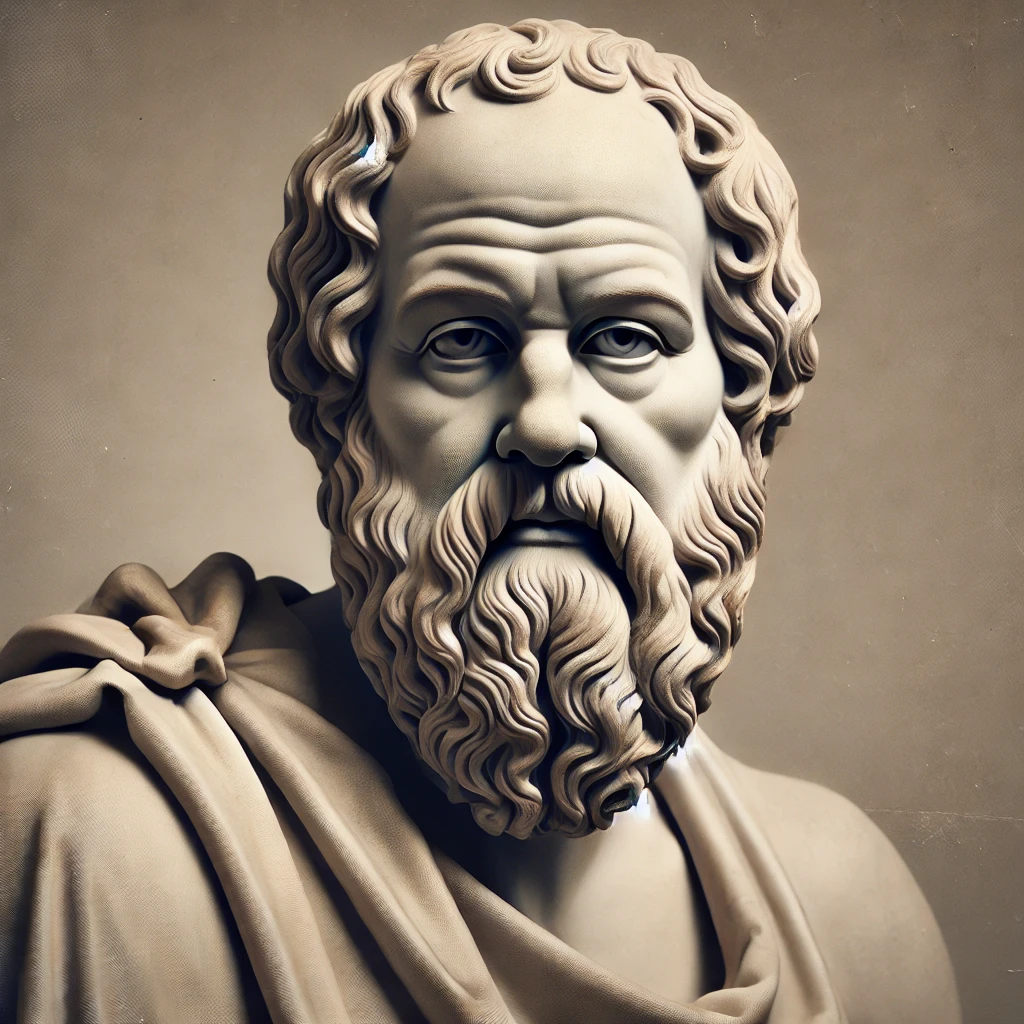
~ 384 – 322 BCE, Greece ~
Aristotle
- “For man, when perfected, is the best of animals, but when separated from law and justice, he is the worst of all.” – Politics, Book I
- Original Ancient Greek: “Ὁ μὲν γὰρ ἄνθρωπος τελειότατον τῶν ζῴων ἐστίν, ἐὰν τελεωθῇ, τελειότατον· ἐὰν δὲ χωρισθῇ νόμου καὶ δίκης, χείριστον πάντων.”

~ 372 – 289 BCE, China ~
Mencius
- “The people are the most important element in a nation; the spirits of the land and grain are next; the sovereign counts for the least.” – Mandate to govern the good of the people
- Original Chinese: 民为贵,社稷次之,君为轻。

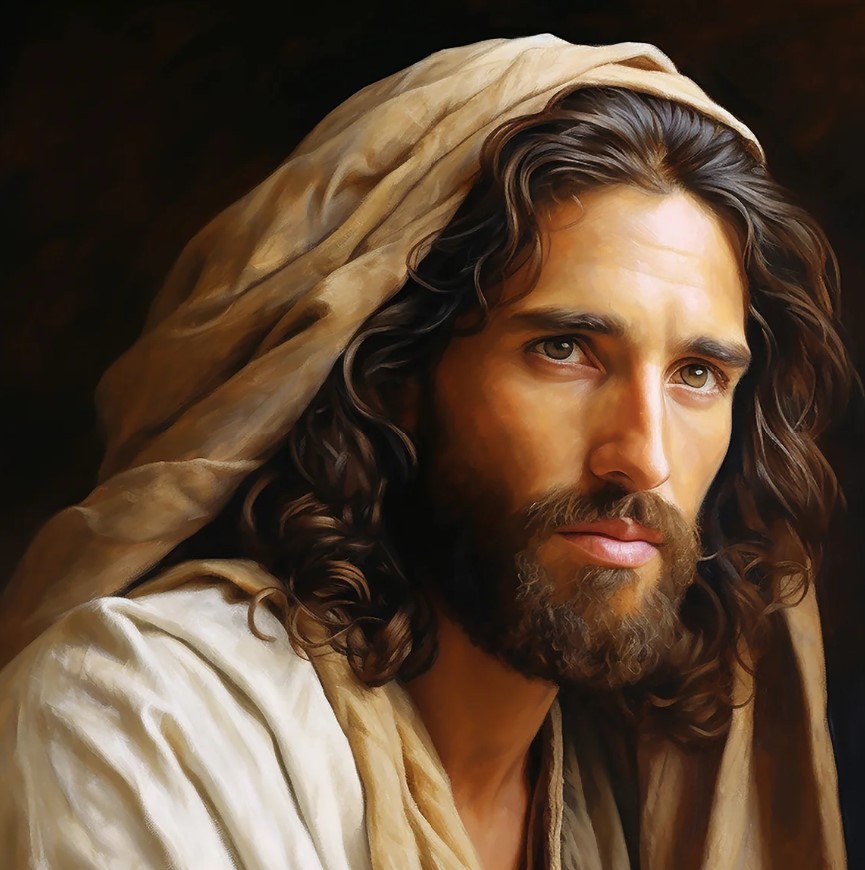
~ 3 BCE – 30 CE, Nazareth ~
Jesus Christ
- “So in everything, do to others what you would have them do to you, for this sums up the Law and the Prophets.” – Matthew 7:12
- Original Aramaic: “Hanhon kul hon d’ithrayun nashe d’met’awadun lakhon, hawdana at tun met’awadun lehon.”
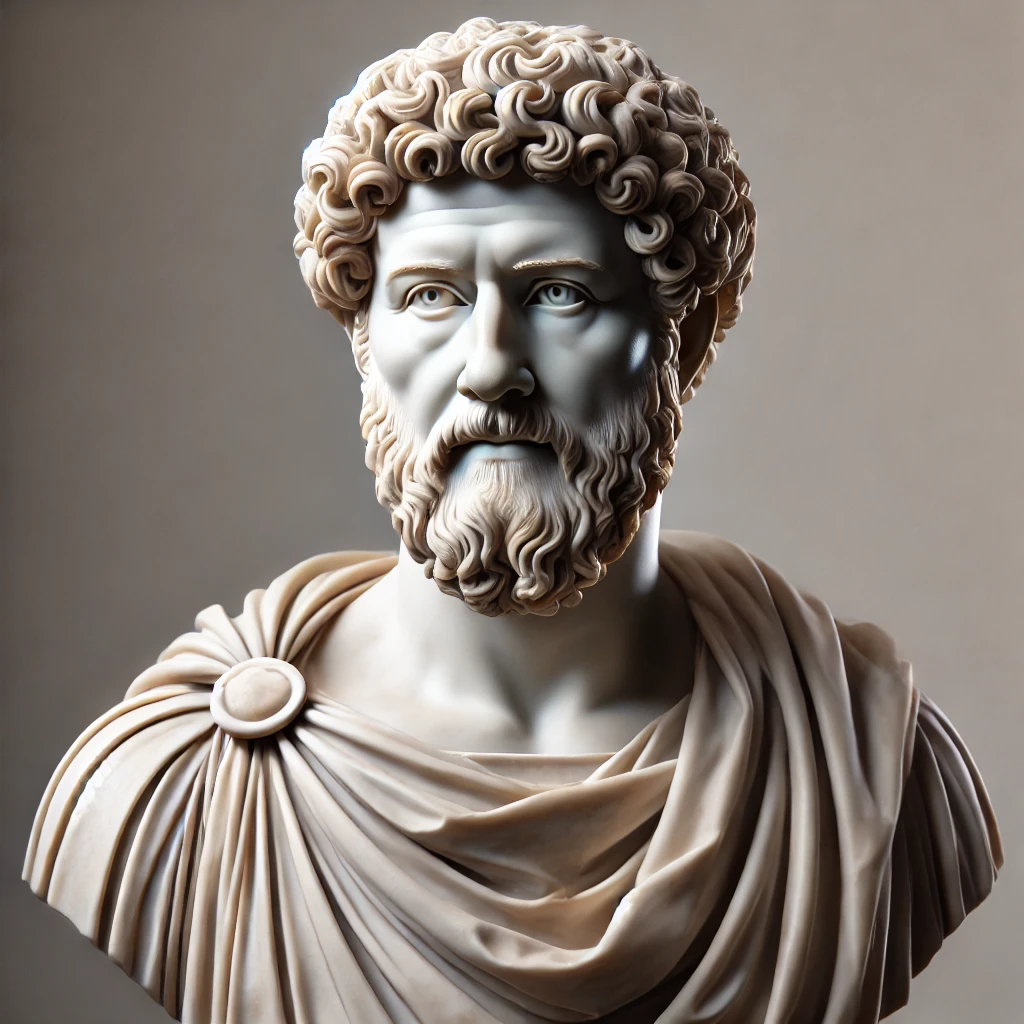
~ 121–180 CE, Rome ~
Marcus Aurelius
- “You have power over your mind—not outside events. Realize this, and you will find strength.” – Meditations, Book 4
- Original Koine Greek:“Τὴν ἐξουσίαν ἔχεις τοῦ νοὸς, οὐ τῶν συμβαινόντων. Τοῦτο γνῶθι, καὶ εὑρήσεις ἰσχύν.”
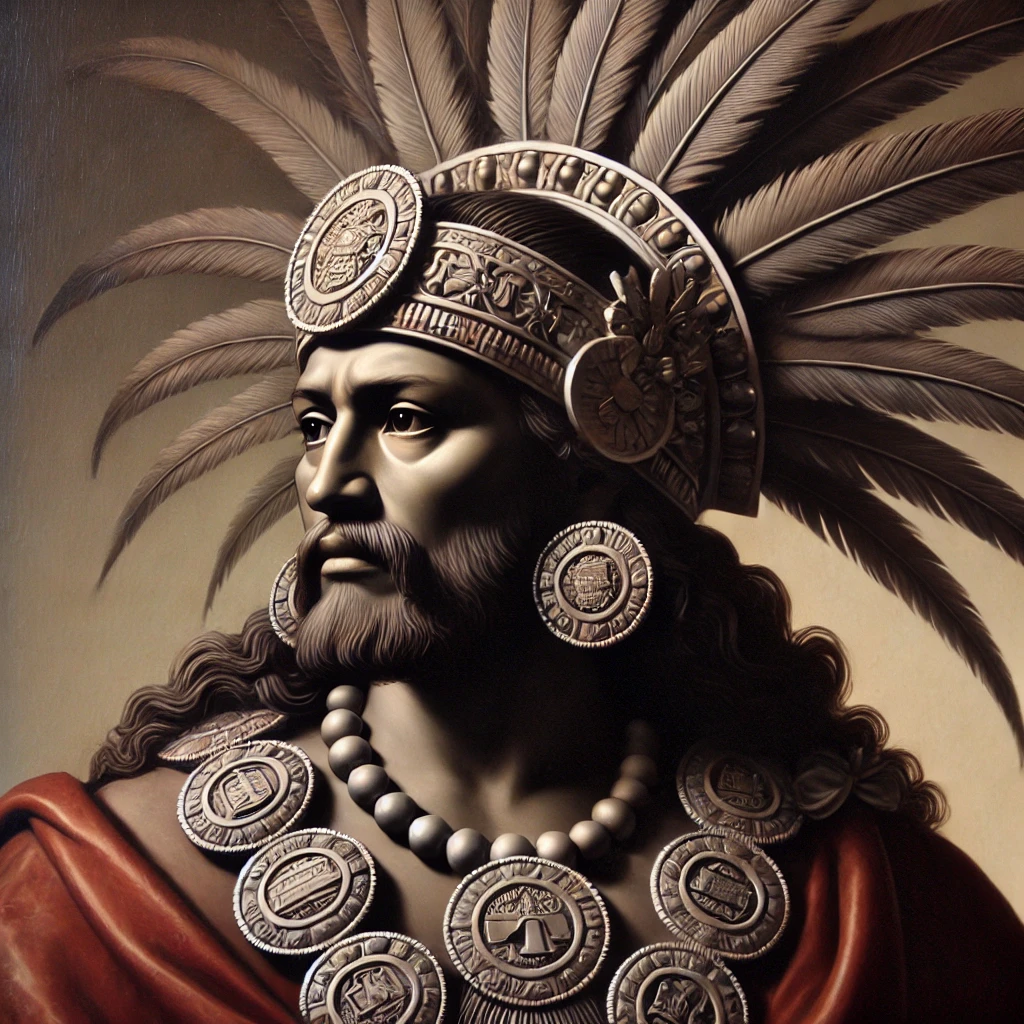
~1402-1472 CE, Aztec Empire ~
Nezahualcóyotl, poet-king of Texcoco
- “We are but a moment in time, like a flower that withers, like a breath that fades.”
- “I, Nezahualcóyotl, ask: Do we really live on Earth? Not forever on Earth; only a little while here. Even jade will shatter, even gold will crumble, even the feathers of a quetzal bird will fall. Not forever on Earth; only a little while here.” – Cantares Mexicanos #20
- Original Nahuatl (Partial Translation):
“Cuix oc titech ca tlalticpac? Ahmo zan tlen tlalticpac tiquimoca, ahmo cualli tictac.”
- Original Nahuatl (Partial Translation):
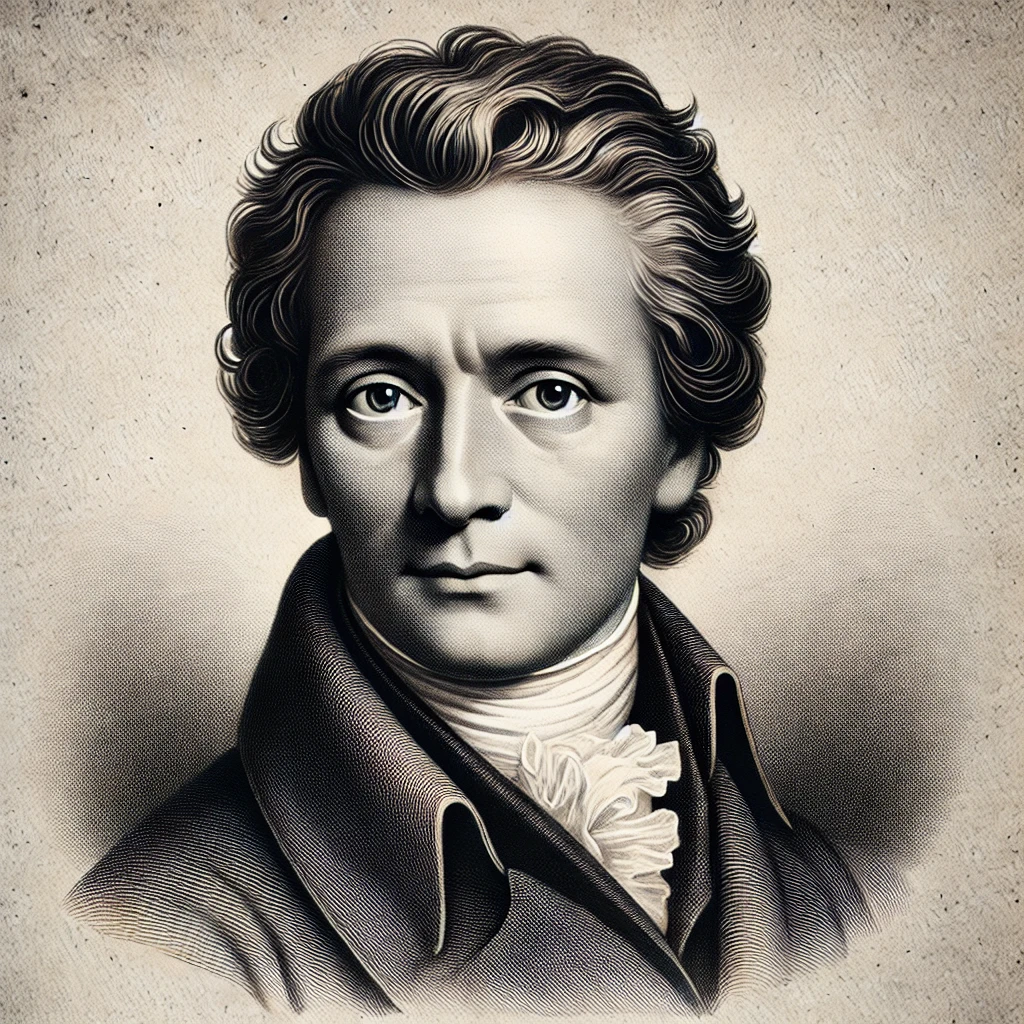
~1749 – 1842 CE, Germany ~
Johann Wolfgang von Goethe
- “Treat people as if they were what they ought to be and you help them to become what they are capable of being” – Wilhelm Meister’s Apprenticeship
- Original German: “Behandle die Menschen so, als ob sie wären, was sie sein könnten, und du hilfst ihnen zu werden, was sie sein fähig sind.”
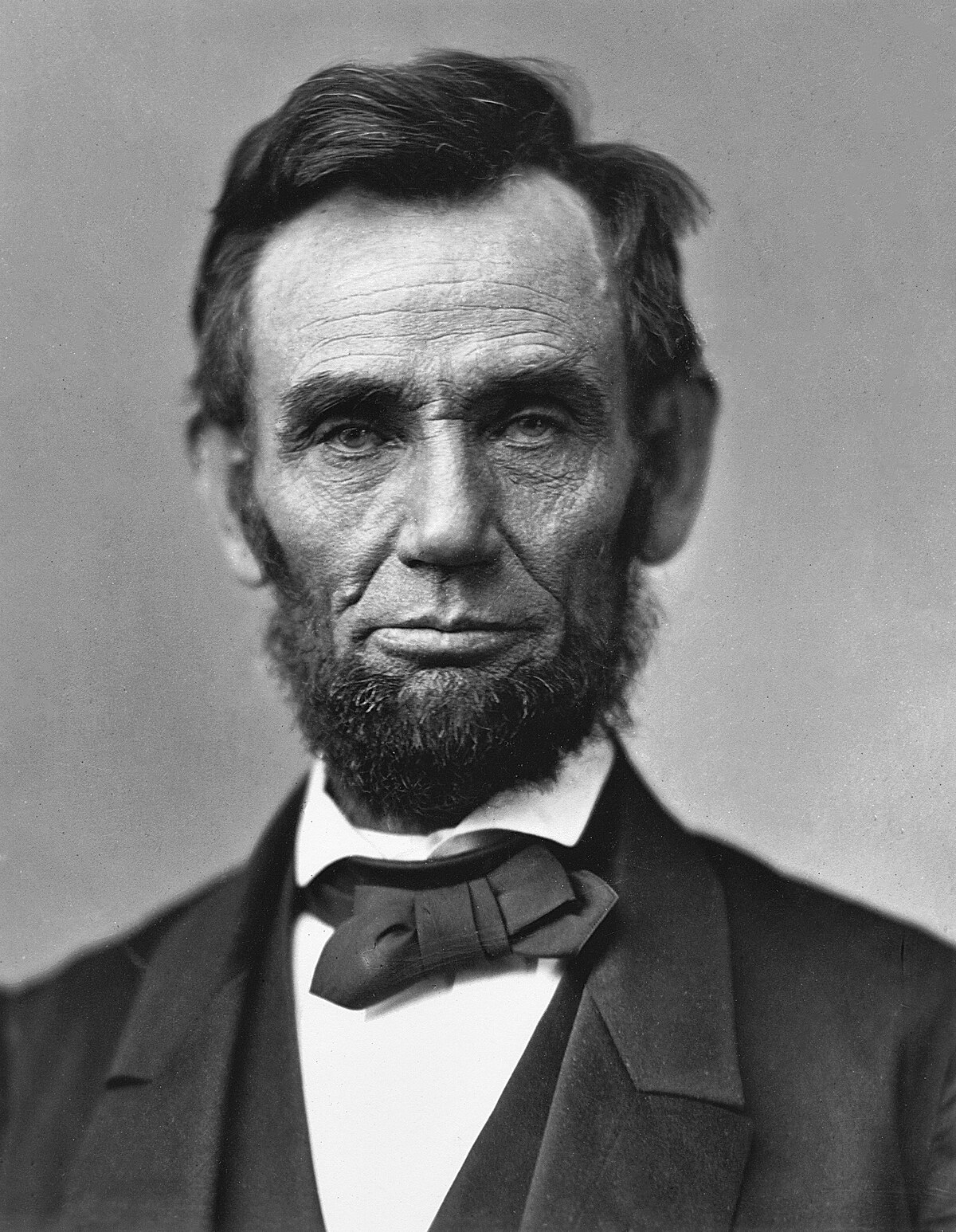
~ 1809 – 1865, United States ~
Abraham Lincoln
- “Those who deny freedom to others, deserve it not for themselves; and, under a just God, cannot long retain it.” – From a letter to H.L. Pierce and others (1859).
~ 1884 – 1962, United States ~
Eleanor Roosevelt
- “Where, after all, do universal human rights begin? In small places, close to home… such are the places where every man, woman, and child seeks equal justice, equal opportunity, equal dignity.” – 10th Anniversary of the Universal Declaration of Human Rights, 1958

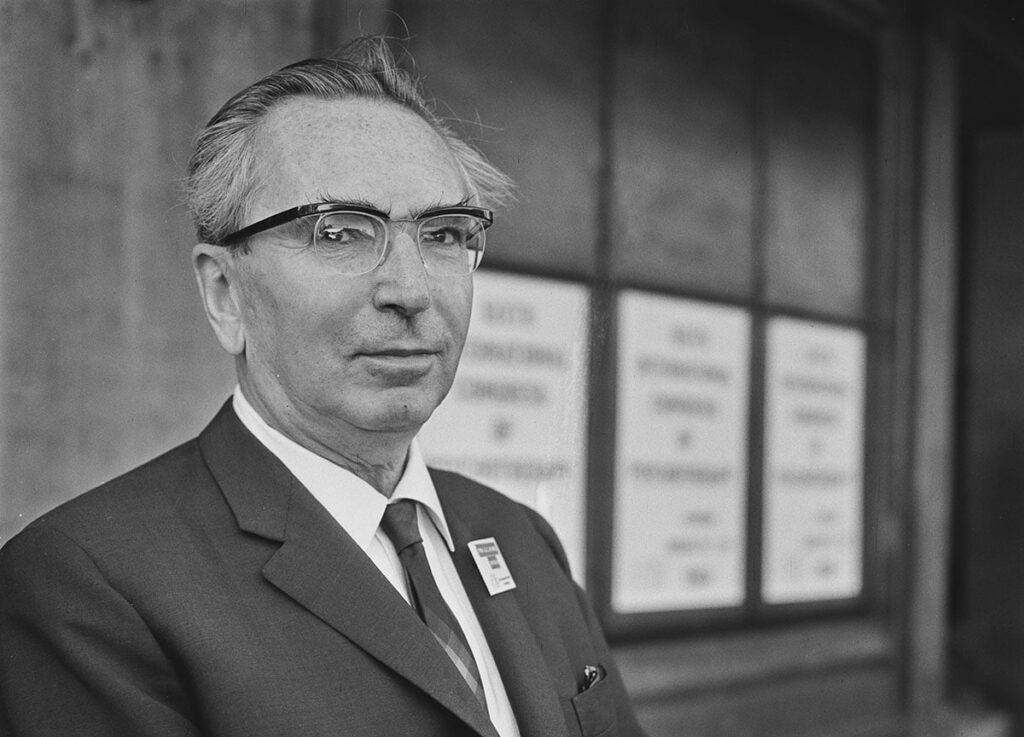
~ 1905-1997, Europe ~
Viktor Frankl
- “Between stimulus and response, there is a space. In that space is our power to choose our response. In our response lies our growth and our freedom.” – Man’s Search for Meaning, 1946
- “In fact, freedom is in danger of degenerating into mere arbitrariness unless it is lived in terms of responsibleness. That is why I recommend that the Statue of Liberty on the East Coast be supplemented by a Statue of Responsibility on the West Coast.” – Man’s Search for Meaning, 1946
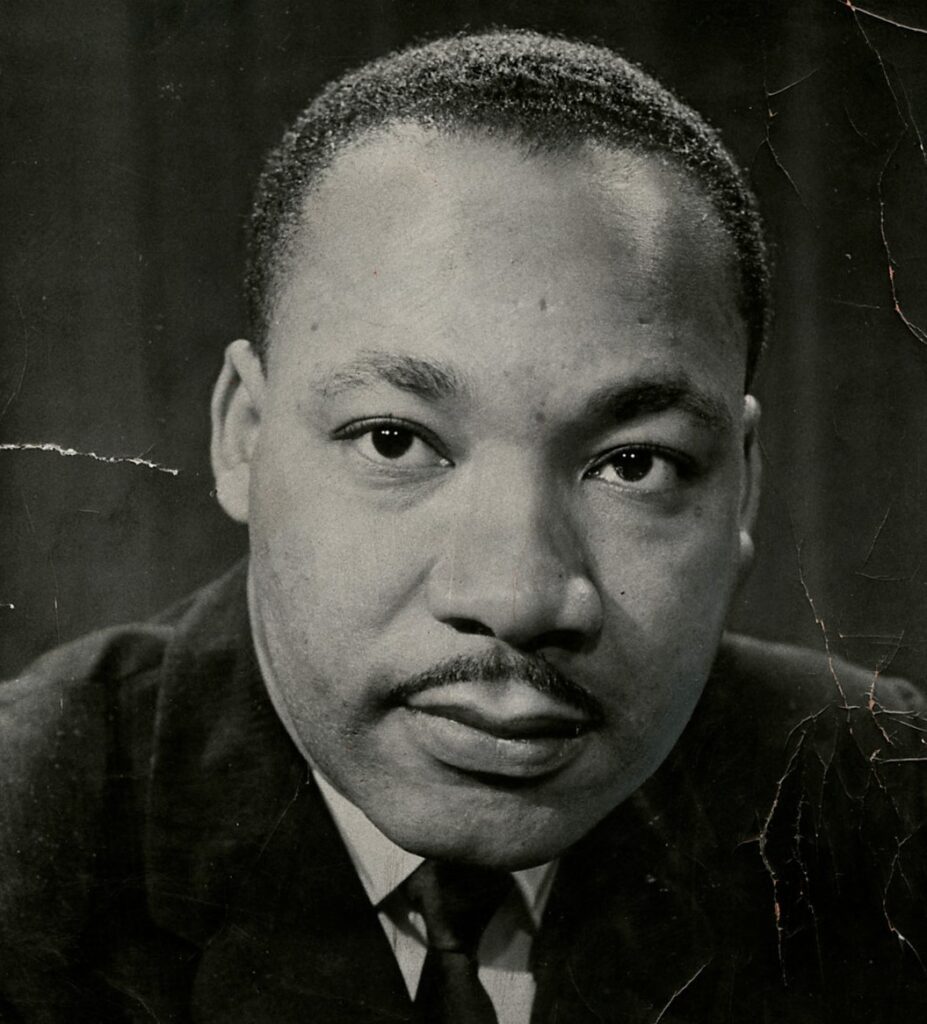
~ 1929-1968, United States ~
Martin Luther King, Jr.
- “Injustice anywhere is a threat to justice everywhere. We are caught in an inescapable network of mutuality, tied in a single garment of destiny. Whatever affects one directly, affects all indirectly.” – Letter from Birmingham Jail, April 16, 1963
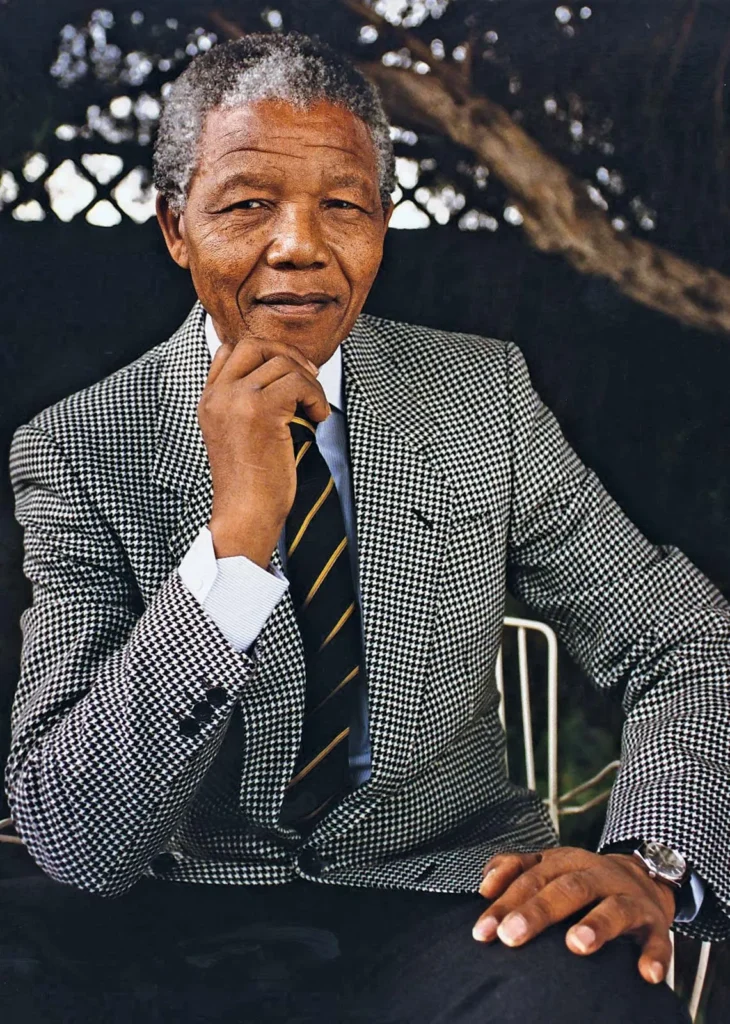
~ 1918-2013, Africa ~
Nelson Mandela
- “For to be free is not merely to cast off one’s chains, but to live in a way that respects and enhances the freedom of others.” – Long Walk to Freedom, 1994
~ 1920 – 2005, Europe ~
John Paul II, born Karol Wojtyla
- “Freedom consists not in doing what we like, but in having the right to do what we ought.” – Redemptor Hominis, 1979
- Original Polish: „Wolność nie polega na tym, że robimy, co nam się podoba, ale na tym, że mamy prawo robić to, co powinniśmy.”
- “Freedom is not only a gift, but also a responsibility. The moral law obliges every person to respect the freedom of others and to use their own freedom in service of the common good.” – World Youth Day (WYD), 1991
- “The ultimate test of your greatness is the way you treat every human being, but especially the weakest and most defenseless.” – WYD, 1993
- “Freedom is not advanced in the permissive society, which confuses freedom with license to do anything whatever, and which in the name of freedom proclaims a kind of general amorality. It is not by rejecting the law of truth and of love that freedom is attained.” – Memory & Identity, 2005