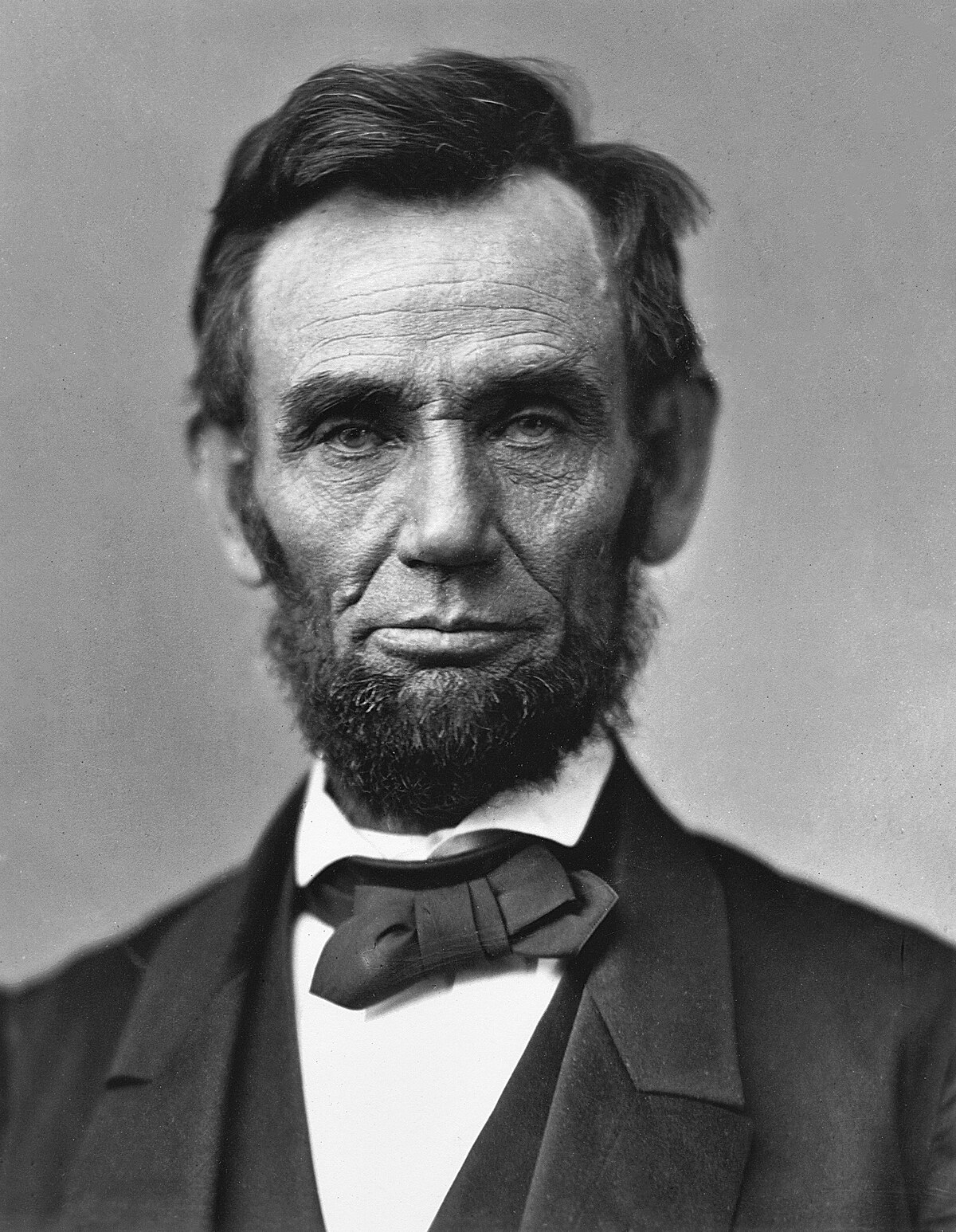
Abraham Lincoln (1809–1865) remains a cornerstone figure in the history of human dignity for his role in navigating the American democratic experiment through its greatest existential crisis. As analyzed in our book, Conflict: Recognizing Human Dignity as a Solution to Humanity’s Greatest Challenges, his leadership was a profound exercise in moral philosophy under extreme pressure.[1]
The Evolution of Moral Clarity
Lincoln’s journey was rooted in a deep reliance on rational capacity. Emerging from a background of self-education, he used logic to strip away emotional rhetoric and find the core truth of the human person. His ideological development moved from a position of political compromise toward the realization that a republic cannot survive if the absolute value of the individual is ignored. He remained involved in all moral decisions throughout his presidency.[2]
Navigating Destructive Political Power Dynamics
Upon assuming the presidency, Lincoln inherited a cycle of conflict that had accelerated for decades. The Southern secession represented a “Law of Force” mentality, where systemic self-interest was placed above the common welfare of the governed. Lincoln balanced the preservation of the Union with the eradication of slavery, recognizing that the democratic experiment required the responsible use of freedom to succeed globally.[3]
The Gettysburg Address: Redefining Worth
In his 1863 address, Lincoln redefined the purpose of the war as a “new birth of freedom.” This was a masterful use of independent agency, calling on citizens to recognize a shared purpose stronger than “in-group and out-group” biases. By shifting the narrative from territory to dignity, he provided a foundational reason for respecting the neighbor as a fellow bearer of rights.[4]
Leadership as Problem-Solving
Lincoln’s “Team of Rivals” cabinet was a practical application of healthy conflict. He purposefully sought diverse, often adversarial perspectives to drive innovation and problem-solving. His ability to forgive rivals prevented the transmission of pain from clouding his judgment, ultimately aiming for a Reconstruction defined by “malice toward none and charity for all.”
Lincoln’s legacy proves that even in the midst of the Law of Force, a leader can choose to uphold the intrinsic worth of the human person.
This article is part of our Historical Figures series on the History of Human Dignity.
University Research & Sources
- University of Virginia (Miller Center). “Abraham Lincoln: Presidential Impact.” millercenter.org. ↩
- Princeton University. “The Papers of Abraham Lincoln Digital Gateway.” princeton.edu. ↩
- University of Chicago Press. “The Founders’ Constitution.” uchicago.edu. ↩
- UC Santa Barbara. “The American Presidency Project: Abraham Lincoln.” ucsb.edu. ↩
Contribute to the Dialogue