
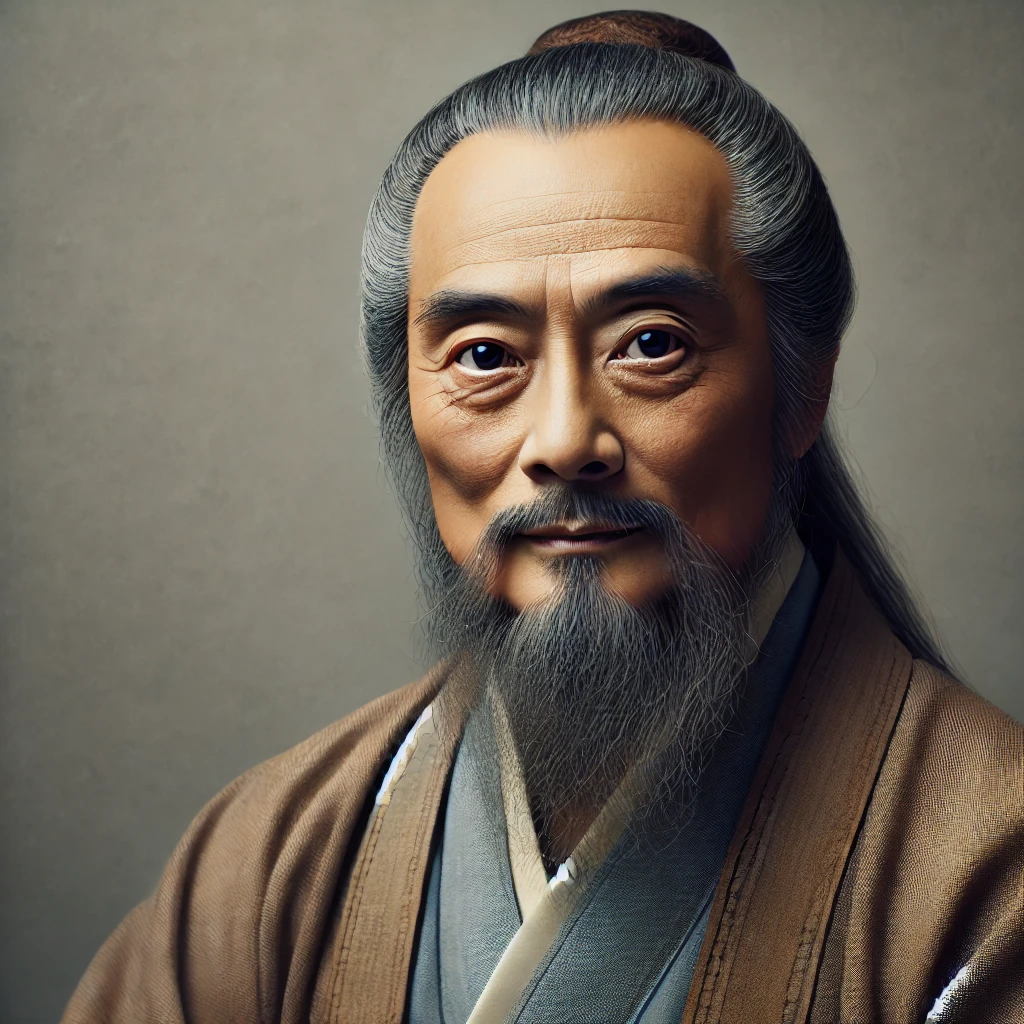
In our exploration of the Axial Age, we turn to Mencius (c. 372–289 BCE), the Second Sage of Confucianism. While he lived centuries after Confucius, Mencius is central to our study of human development because he provided the philosophical proof for one of the two critical insights that shape our book: humanity’s inherent desire for good.[1]
In our book, Conflict: Recognizing Human Dignity as a Solution to Humanity’s Greatest Challenges, we identify Mencius as one of the forward-thinking individuals who championed human dignity, helping societies evolve beyond human-degrading ideas.
Mencius: The Inherent Goodness of the Human Person
Mencius’s most profound contribution was his insistence that human nature is fundamentally good. He famously used the analogy of a child about to fall into a well: any person, regardless of their status, would feel a sudden sense of alarm and compassion.[2] This seed of compassion is what we refer to in our book as an innate characteristic of the human person—specifically the moral virtues and intellect that enable us to recognize the value of others.
At the Freedom and Responsibility Institute, we argue that when information is clear and the needs of all parties are recognized with empathy, there is a general tendency to act ethically and fairly. Mencius codified this by teaching that every human possesses the four sprouts of virtue: benevolence, righteousness, propriety, and wisdom.[3]
Challenging Political Power Dynamics
Mencius was a fierce critic of the Political Power Dynamics of the Warring States period, where rulers often prioritized state and leader power over individual welfare. He traveled from state to state, boldly telling kings that their authority was conditional upon their ability to provide for the well-being of the people.[4]
In the language of our book, Mencius was identifying a human-degrading political dynamic where the self-interest of the strong dominated the weak. He famously argued that the people are the most important element of a nation, and the ruler is the least. This was a radical Ideological Development that placed the intrinsic worth of the human person above the interests of systems or ideologies.
The Social Identity Theory and the Fabric of Humanity
Mencius also addressed what we call conformity’s role in conflict. He recognized that while we are born good, our environment and the pressure to conform to in-groups can fog our perspectives and lead to the solidification of fixed viewpoints.
He taught that we must cultivate our flood-like qi, or moral energy, to resist the human-degrading influences of a corrupt society. By doing so, we strengthen the threads of the fabric of humanity, ensuring that we treat those in out-groups with the same dignity we afford our own. Mencius’s work serves as a foundational reason for respecting our neighbors, reminding us that our shared rational capacity is the bridge to a more unified world.
This article is part of our Historical Figures series on the History of Human Dignity.
Sources
- Stanford Encyclopedia of Philosophy. “Mencius.” plato.stanford.edu. ↩
- 1000-Word Philosophy. “The Four Moral Sprouts.” 1000wordphilosophy.com. ↩
- Internet Encyclopedia of Philosophy. “Mencius (Mengzi).” iep.utm.edu. ↩
- Britannica. “Mencius: Political Activist.” britannica.com. ↩
Contribute to the Dialogue