
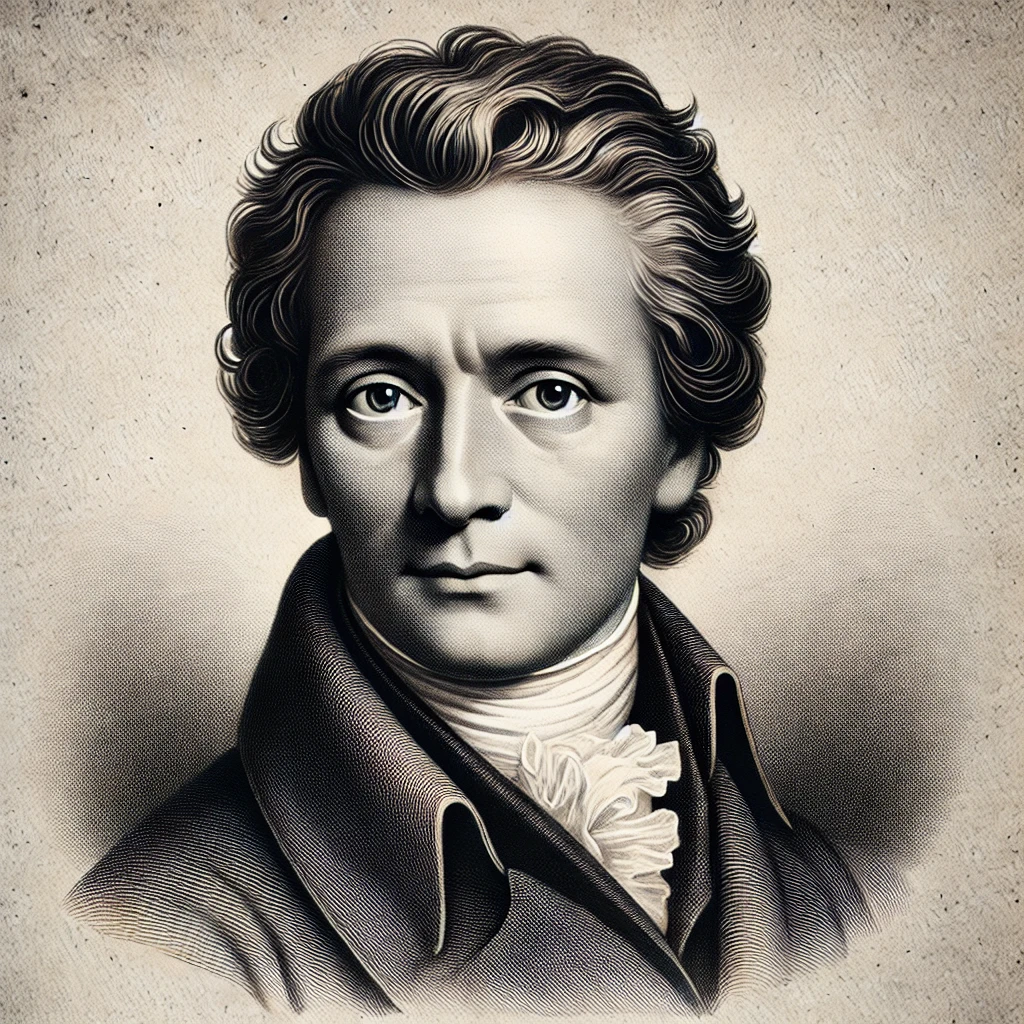
In our book, Conflict: Recognizing Human Dignity as a Solution to Humanity’s Greatest Challenges, we explore how Ideological Developments allow us to move beyond the narrow confines of tribalism. Johann Wolfgang von Goethe (1749–1832) stands as a monumental figure in this journey, using his “rational capacity” and “intellect” to bridge the gap between science, art, and the universal experience of being human.[1]
Goethe: The Holistic Intellect and World Literature
Goethe emerged during a period of massive political upheaval. These Political Power Dynamics often forced individuals into rigid “in-group and out-group” identities. Goethe, however, utilized his independent agency to advocate for Weltliteratur (World Literature). He believed that by sharing the intellectual and moral achievements of all nations, we could recognize the “intrinsic worth of the human person” across borders.[2]
Challenging the Cycle of Conflict through Morphology
Goethe’s scientific work in “morphology” (the study of form) offers a unique lens on the Cycle of Conflict. He looked for the underlying unity in diverse biological forms. In the language of our book, this mirrors the search for a “foundational reason for respecting our neighbors” despite our outward differences.
Responsible Freedom and the Faustian Struggle
Goethe’s most famous work, Faust, is a profound exploration of “responsible use of freedom.” Faust’s struggle represents the “human desire for good” clashing with the temptation of “self-interest.” Goethe suggests that redemption is found in constant striving and in using one’s “rational capacity for problem-solving” to benefit the “welfare of the governed.”
Sources
- Internet Encyclopedia of Philosophy. “Goethe, Johann Wolfgang von.” iep.utm.edu. ↩
- Britannica. “Goethe Biography.” britannica.com. ↩
Contribute to the Dialogue