Confucius: The Ethics of Order and the Fabric of Dignity
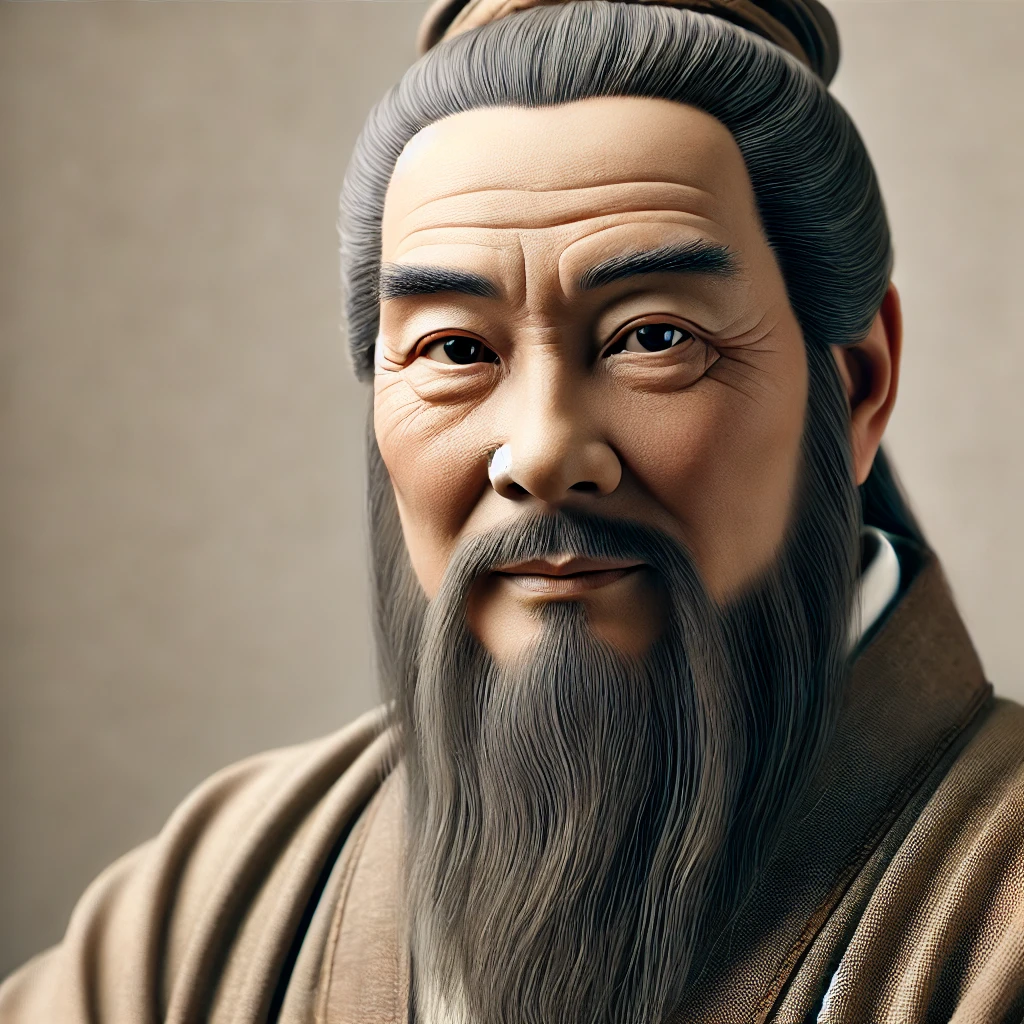
During the Axial Age, as Chinese states were fractured by the chaos of the Warring States period, a scholar named Kong Fuzi—known to the West as Confucius (551–479 BCE)—proposed a radical solution to the “Cycle of Conflict.”[1] While the prevailing Political Power Dynamics of the era often relied on the “Law of Force,” Confucius looked to the “Law of Virtue” (Ren). He recognized that the disintegration of society was not merely a political failure, but a moral erosion of the “fabric of humanity” that connects the individual to the collective.[2]
At the Freedom and Responsibility Institute, we observe how Ideological Developments can either justify oppression or promote the inherent value of the person. Confucius chose the latter. He taught that a leader’s authority is not a right to dominate, but a heavy responsibility to serve the welfare of the governed, paving a path toward an international culture of respect.
The Virtue of Independent Agency in Relationships
Confucius redefined independent agency by placing it within the context of our duties to one another. He argued that human dignity is realized through our conduct—a concept he called Li (propriety).[3] By fulfilling our roles with sincerity and respect, we exercise our freedom responsibly.
This was a direct challenge to the rigid hierarchies of his time. By suggesting that any individual could become a “Superior Person” (Junzi) through moral self-cultivation, Confucius democratized the pursuit of dignity. He proved that true status is not inherited by birth, but earned through the consistent application of ethics and the recognition of the inherent worth of others.
Interrupting the Cycle of Conflict through Empathy
In our analysis of Human-Degrading Conflict, we see that dehumanization often begins when “in-group” loyalty turns into “out-group” hostility. Confucius countered this with the “Golden Rule”: “Do not do to others what you do not want done to yourself.” By centering empathy as the core of governance, he provided an ideological framework designed to interrupt the cycle of violence.
He taught that when we lose sight of individual inherent dignity, we begin to marginalize others, thereby reducing the absolute potential of humanity. As we explore in our book, Conflict: Recognizing Human Dignity as a Solution to Humanity’s Greatest Challenges, this loss of respect is the prerequisite for the erosion of freedom.
Conclusion: A Legacy of Responsibility
Confucius paved a path that reminds us that we are all threads in a singular fabric. His legacy is a profound realization: that a stable world is built upon the foundation of individual responsibility and mutual respect. By recognizing the inherent value of every person, we can move toward a future where dignity is not just an abstract ideal, but a lived reality. Learn more about this concept in our book.
This article is part of our Historical Figures series on the History of Human Dignity.
Verified Sources
-
- Stanford Encyclopedia of Philosophy. “Confucius and the Period of Philosophical Ferment.” plato.stanford.edu. ↩
- World History Encyclopedia. “Confucianism: The Ethics of Virtue.” worldhistory.org. ↩
- Britannica. “Li: The Concept of Propriety and Ritual.” britannica.com. ↩
Contribute to the Dialogue