
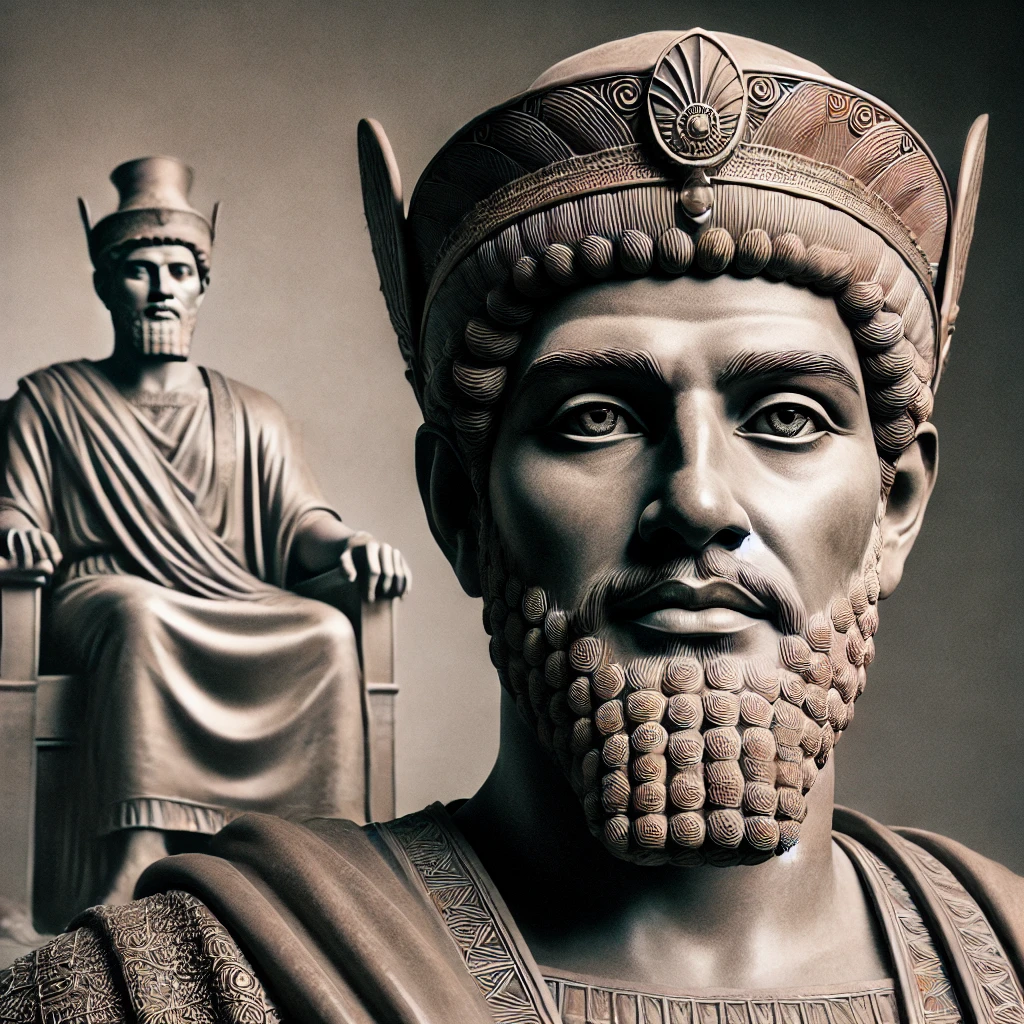
1894 to 1595 BCE – Old Babylonian Period & the “Code of Hammurabi”:
King Hammurabi’s “Code of Hammurabi” promoted a significant ideological development which encouraged cooperation throughout the Babylonian Mesopotamia’s empire. The Code of Hammurabi led to the first legal system, which had 282 laws people to follow.[1] Law 196, An Eye for an eye, a tooth for a tooth, is still echoed today. Though this law didn’t recognize human dignity in its fullest, it began to form the idea of equality and justice.
Most importantly, Hammurabi’s code encouraged political power dynamics founded in written code and diplomacy. He created a society based on defined laws and created a caste system. Now, no matter where one fell in the hierarchy of society, it was defined rather than presumed, meaning that a person now had the ability to understand what was needed to move from one societal level of the hierarchy to another. The concept of written laws improved human rights because it allowed one to understand how society was viewed by those in power.
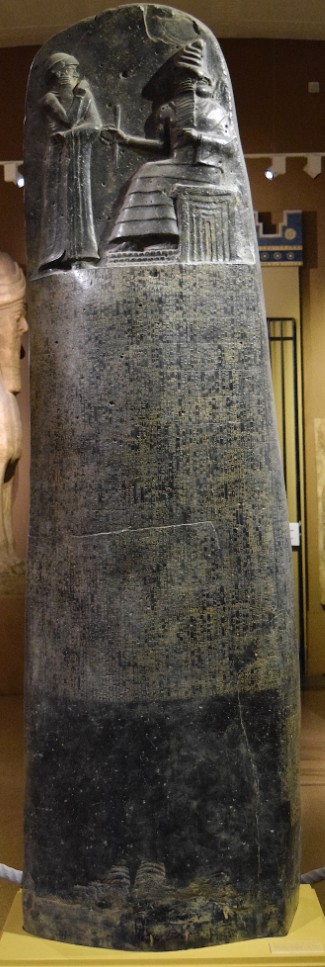
Hammurabi’s code also developed the idea of innocent until proven guilty, which is a key theme to many justice systems in the world today.[2] His code also furthered rights for families, inheritance, and property. The code was inscribed on a large stone stele and displayed publicly for all to see. This public display of laws was significant, as it established the king’s role as a just ruler, while also making the laws accessible, ensuring that the people were aware of them. The follow-on ideological developments that were inspired by Hammurabi’s code often included defined principles for all levels of society, which allowed anyone to abide by cultural or group practices even if they were unfamiliar.

“To bring about the rule of righteousness in the land, to destroy the wicked and the evil-doers; so that the strong should not harm the weak.” – Code of Hammurabi
Original Akkadian:“ana šakān šērtim ina mātim, ana kuttum u mušētû rabûtim; šumma dannu lā imtaḫaš šūšubutum.”
To learn more about how the Code of Hammurabi fits into the context of history, check out our book, Conflict: Recognizing Human Dignity as a Solution to Humanity’s Greatest Challenges.
This article is part of our Historical Figures series on the History of Human Dignity.
Sources
-
- Yale Law School, The Avalon Project. “The Code of Hammurabi: Introduction and 282 Laws.” avalon.law.yale.edu. ↩
- World History Encyclopedia. “Hammurabi’s Code.” worldhistory.org. ↩
Contribute to the Dialogue